Protect Your Home From Crawl Space Dry Rot
Moisture, mold, and wood decay can threaten your home’s structural integrity. Don’t let hidden crawl space problems turn into expensive repairs. Get help identifying moisture issues and protecting your home’s foundation.
Call 313-367-0241 TodayIf you own a home in Michigan, you probably keep an eye out for roof leaks, basement water, and problems with your gutters. But there’s another area that can develop a serious problem. Without notice. And it’s a crawlspace underneath your home.
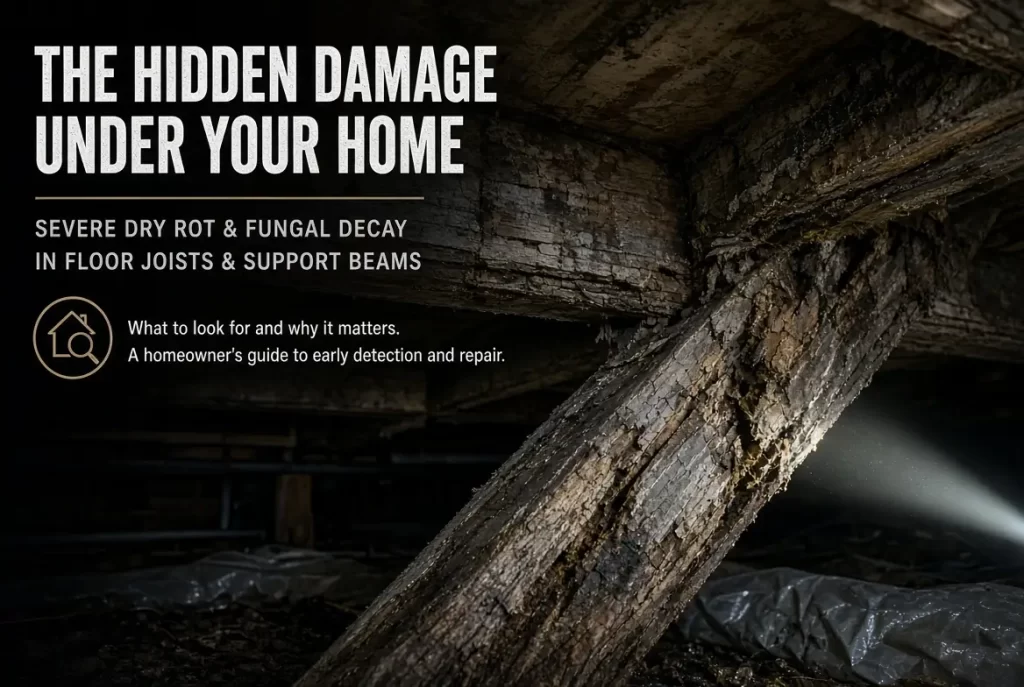
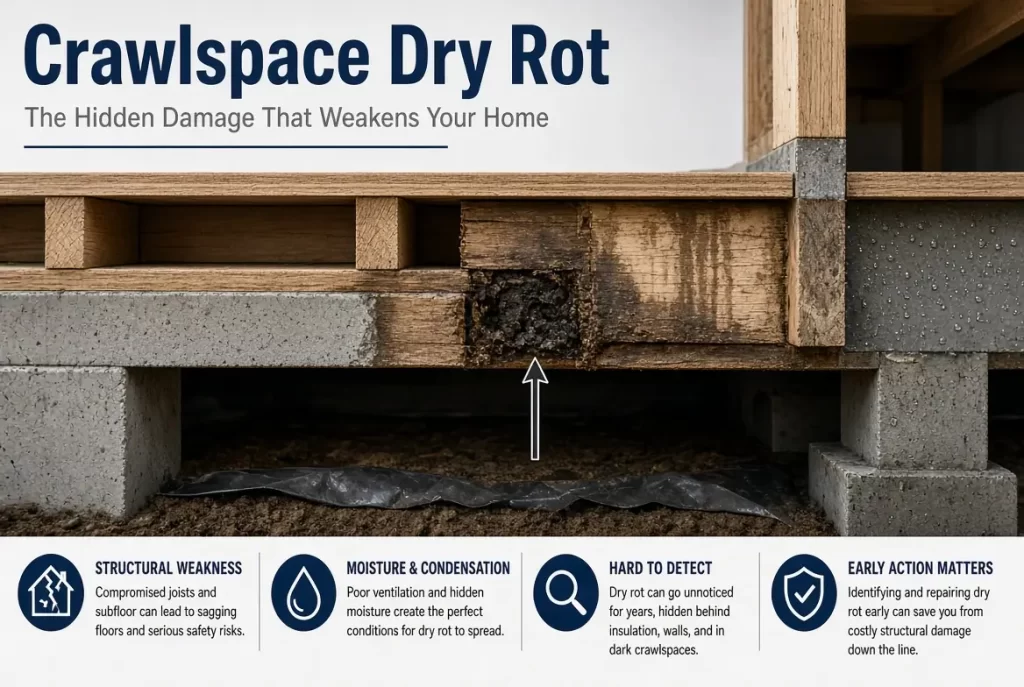
Crawlspace dry rot damages, floor joints, support beams, and the sub floor. The tricky part is that the problem often starts with something small, such as damp soil, a minor, plumbing leak, or condensation that never fully dries.
Michigan, wet springs, humid, summers, and cold winters can make moisture control, especially important. And while homeowners often blame, roof leaks for their wood rot, the real problem may be coming from underneath the house.
We’re gonna take a look at the five causes that can damage your crawlspace in Michigan, dry rot, how to spot them, and what you can do to protect your home from the damage spreading.
What is crawlspace, dry rot?
Dry rot is a form of wood decay that causes a certain fungi. Despite the name, the fungi needs moisture to grow and damage the wood. As decay progresses, affected wood can become brittle, crack, and crumbly.
In a crawlspace, the wood, most at risk includes floor joints, beams, sill plates, and sub flooring.
Common warning signs:
- A persistent musty smell coming beneath your house
- Wood that is soft or crumbles easily
- Dark patches are unusual discoloration
- Cracked wood with a dry, brittle appearance
- Spongy floors
- Visible fungal growth on wooden surface
Not every musty smell means that you have dry rot. Mold, plumbing leaks, and other moisture problems can produce similar warning signs. The key is to identify the source of moisture and determine whether the wood is actually deteriorated.
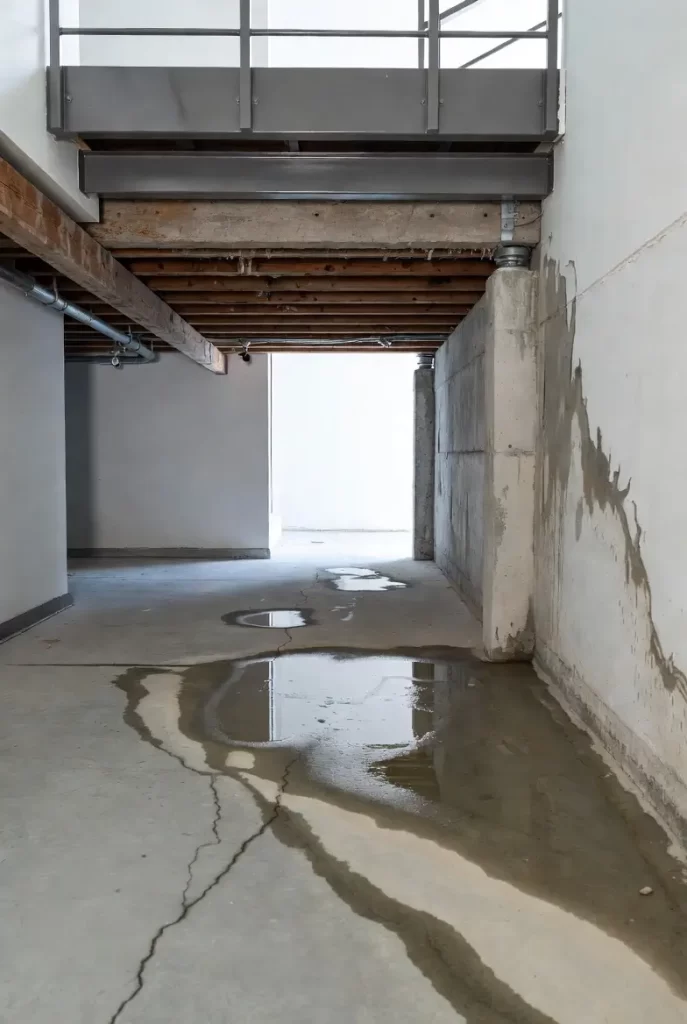
Poor drainage around the foundation
One of the most overlooked causes of crawlspace, moisture starts outside the house.
Rainwater collects near the foundation, it seats into the foundation walls or saturate the soil beneath the house. Overtime, the moisture can increase humidity inside the crawlspace and keep wooden support damp.
Michigan homeowners may notice the problem during the spring snow melt, extended, rainy periods, and heavy summer storms.
How to spot drainage problems
Walk around the house after a heavy rain. Look for puddles, soggy soil, and areas for water flows towards the foundation.
Pay attention to:
- downspout dumping water beside the house
- Gutters overflowing during storms
- Soil slopes towards the foundation
- Low spots where water collect
- Damp patches on the crawlspace foundation walls
How to fix it
Start bike, cleaning your gutters and extending the downspouts so water discharges away from the foundation at a suitable location.
If the ground slopes towards the house, correct the grading where practical. Persistent water intrusion may require a drainage system or a professional assessment.
The goal is to keep the water out and repeatedly soaking the soil surrounding the crawlspace.
Missing or damaged vapor barriers
If your crawlspace has a dirt floor, the soil itself could be supplying a study source of moisture.
Water evaporates from damp ground and increase the humidity beneath the house. Without an effective vapor barrier, that moisture can reach wooden floors and create condition conditions that fungal decay will start.
An old vapor barrier may not provide the best protection, if it’s torn, poorly fitted, or missing in certain areas.
What should you check?
If you crawlspace has a dirt floor, the soil itself could be supplying a steady source of moisture.
If you can safely inspect your crawlspace, look for exposed, torn plastic, loose seam, gaps around the pipes, or the foundation supports.
Also check whether water is sitting on top of the plastic. A vapor barrier can help reduce moisture rising from the soil, but it will not solve any standing water or ground water intrusion.
How to improve moisture protection
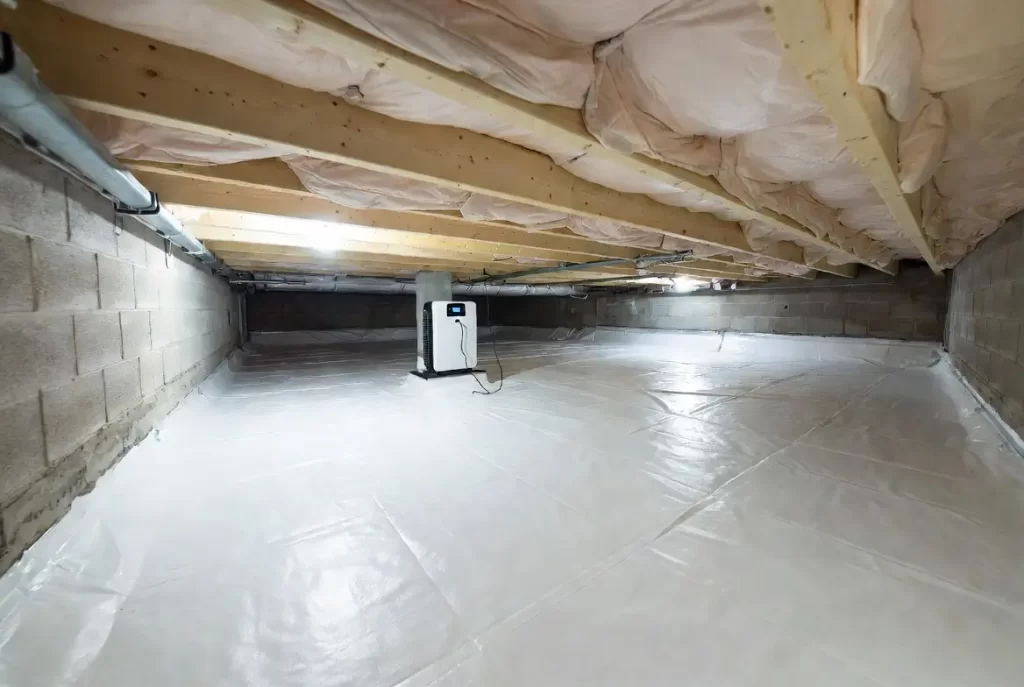
Install a crawlspace vapor barrier that is suitable over the exposed soil, with seam and edges, detailed accordingly to the product instructions.
Some houses benefit from a more comprehensive encapsulation system that include a durable liner, sealed, and inappropriate coverage of foundation walls.
Before installing a barrier, you should address any active leaks and standing water. Cover the wet crawlspace without correcting the underlying problem can leave you with ongoing moisture issues.
Condensation from Michigan seasonal temperature changes
Condensation is another hidden cause of crawlspace moisture.
It can happen when warm, humid air contacts a cooler surface and moisture forms. This occurs on plumbing pipes, ductwork, foundation, surfaces, and wooden building material.
During the Michigan summers, humid, outdoor air entering a cooler crawlspace can create condensation. During the colder months, temperatures difference in the air leaks, can also contribute to moisture problems.
The result is sometimes a crawlspace that stays damp, even when there is no obviously leak.
How to recognize condensation
Look for water, droplets and pipes, damp, ductwork, or moisturize surfaces that are directly exposed to rain water.
A digital hydrometer can help you monitor that relative humidity. Repeating these readings above 60% indicate the moisture control deserves attention although humidity readings alone cannot confirm dry rot.
How to reduce condensation
Depending on the home, solutions may include ceiling, unintended, air leaks, insulating appropriately, improving, moisture control, and installing a properly size dehumidifier.
Don’t assume that opening more crawlspace events will solve the problem. And humid weather, outside air can actually introduce additional moisture.
The right approach depends on the crawlspace design and the source of the humidity.
Small plumbing leaks that go unnoticed
A small plumbing leak in Michigan might not seem like a major problem, especially if the water never reaches the finished area of your home.
But underneath the house, even a small leak can keep nearby wood damp for weeks and months.
Crawlspace is often contain water supply lines, drain pipes, and plumbing connections that are difficult to see during everyday Home maintenance.
How to check for leaks
Look for water, stains, damp soil, mineral deposits, corrosion, and insulation near plumbing lines.
Pay particular attention to wooden joints directly beneath pipes and connections.
Drain leaks may require different inspection methods.
What should you do?
Repair the leak first. Then determine if the nearby wood and insulation can be dried safely or need replacement.
If there would become soft, brittle, or structurally, weakened, have it evaluated than assuming it will recover once the area dries.
Fixing the leak early can prevent small plumbing problems from turning into much larger crawlspace repairs.
Wet insulation and damp building material
insulation is meant to improve energy efficiency throughout the house, but wet insulation can contribute to ongoing moisture problems.
All crawlspaces sometimes have fiberglass insulation installed between four joints. At the that becomes wet because of condensation, plumbing leaks, or ground water, it can hold moisture against nearby material.
That makes it easier for the wood to remain damp, long enough to start the king and there goes your problem.
What homeowners should look for?
Check insulation that is saying, discolored, falling apart or visibly wet.
Look for subfloor and Joists above it for water, stains, unusual discoloration, soft spots, or crumbling edges.
A musty smell as another reason to investigate, although order alone cannot tell you whether the wood has dry rot that’s a visible thing.
How to address the problem
Find incorrect the moisture source before replacing the damaged insulation.
If wood has started to decay, drying it out will not restore the strength that it is already lost. Damaged sections may need professional repair or replacement.
If the affected area includes major support beams, or floor joists , have a qualified professional, determine what the structure needs for reinforcement.
How to check your crawlspace for dry rot
You don’t have to wait until the floor is starting to say to start looking for a warning signs.
Here’s what you need to have for a simple checklist:
- Check for orders if you have a persistent musty smell that indicates excessive moisture or some sort of microbial growth
- Inspect the ground simply look for standing water, damp soil, or damaged barrier material
- Examine exposed wood for cracks, soft spots, and the wood that crumbles easily
- Check pipes and insulation look for leaks, and water stains
- Inspect the exterior check your gutters, downspouts, grading, and other areas that collect rainwater
Wear gloves and use a good flashlight. Avoid entering any unsafe, crawlspace or disturbing affected fungal growth. B especially cautious around, standing water, exposed wires, and damaged materials for the structure.
If you find extensive deterioration, you need it professionally assessed.
Common questions for every crawlspace, dry rot in Michigan
What causes dry rotten Michigan crawlspaces
Dry rot developed when wood decaying fungi have the moisture conditions they need to grow. Poor drainage, plumbing leaks, damp soil, damaged barriers, and condensation are a common contributor.
How do I know if my crawlspace has dry rot or mold?
Mold often appears as a surface growth or discoloration, while wood decay can make timber soft, brutal, trapped, or they even can crumble. Both can can occur together, so professional assessments, maybe needed to determine whether the wood has good structure, strength or not.
Can dry rot spread to my floor joists
Yes. Fungal decay can all ways to affect the floor, beams, sill plates , and sub flooring when moisture conditions remain favorable. Early inspection can help identify the damage before it comes in extensive.
Will a vapor barrier prevent crawlspace, dry, rot?
A proper installed vapor barrier reduces, moisture rising from exposed soil. However, it will not fix every moisture stools. Plumbing leaks, ground water, intrusion, and condensation must be addressed also.
Should Michigan crawlspaces be vented or encapsulated?
It depends on the home design and moisture condition. Outdoor air and introduce humidity into a colder Crosby during the summer. A properly designed encapsulation system may improve moisture control, but the drainage, humidity management, and applicable building requirements must be considered.
How much does dry crawlspace repair cost?
This cost all depends on how much wood damage there is, how accessible is the crawlspace, whether the Home needs drainage improvements, encapsulation, or structural repairs. Correcting a moisture source is generally less involved than replacing damage support beams or floor joists . An inspection can help establish those scope of work.
Protect your crawlspace before the damage spread
Crawlspaces that have dry rot usually develop overtime. The biggest mistake a homeowner makes is focusing on the damaged wood without correcting the moisture problem that causes it. Example would be a slow leak from your plumbing.
Keep rainwater away from your foundation. Maintain an effective vapor barrier, watch for condensation, always do plumbing repairs as soon as you find out about them, and then investigate the wet insulation.
Don’t ignore a musty smell or soft floorboards. These are warning signs that may be telling you that there is moisture building underneath your home.
The sooner you can identify the source, the better your chances of preventing a small moisture issue from turning into a major repair.