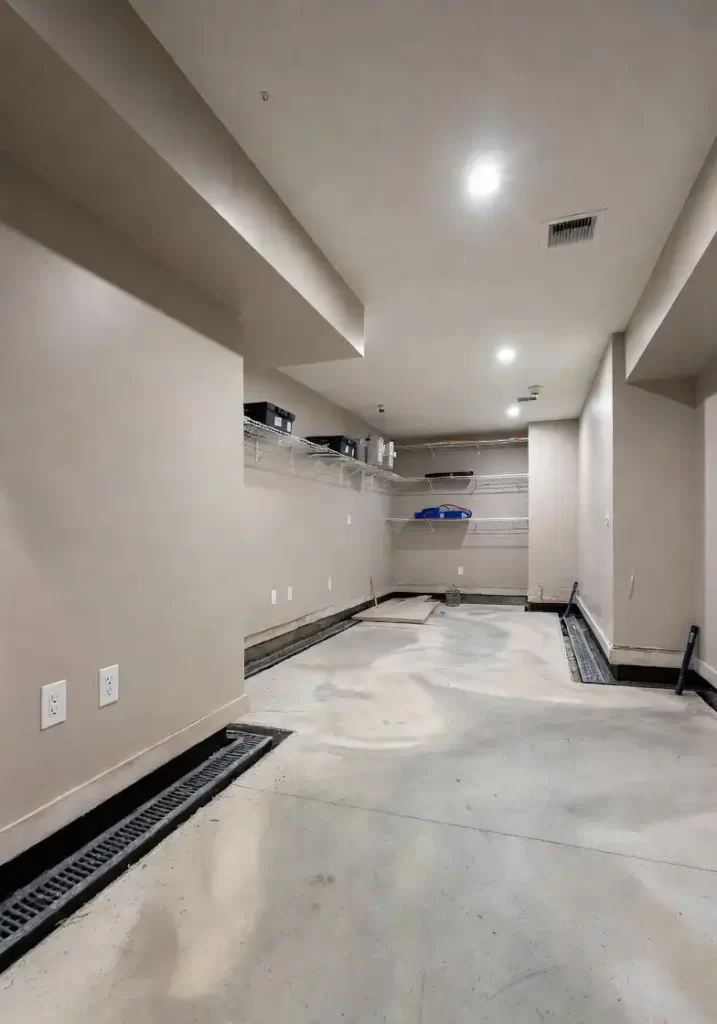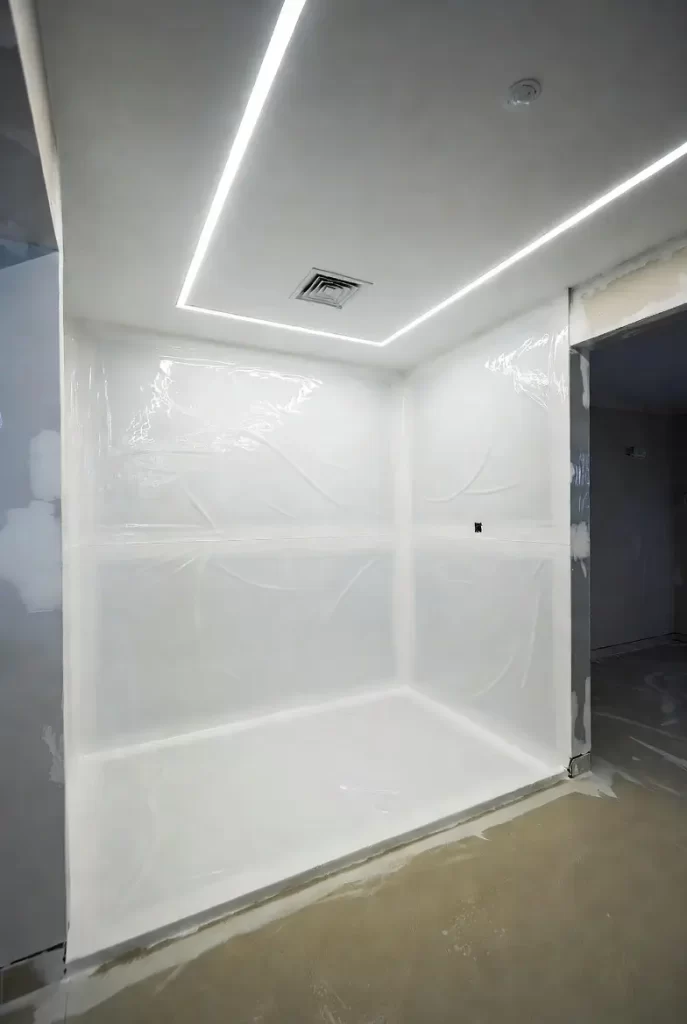

A leaky basement isn’t just a nuisance—it’s a warning sign that the structure of your home is fighting constant pressure from Michigan’s soil, water table, and seasonal freeze–thaw cycles. Whether you live in Detroit, Grand Rapids, Lansing, Flint, Ann Arbor, or anywhere in the state, basement leaks are common thanks to high clay content, shifting soil, and heavy rainfall.
But what’s the good news? Most leaks can be fixed permanently if you take the right approach.
This guide breaks down 12 proven ways to fix a leaky basement in Michigan, based on real-world solutions used by structural and waterproofing experts. These aren’t gimmicks—these are the methods that actually work in homes throughout Southeast and Mid-Michigan.
Why Michigan Basements Leak So Frequently
Before jumping into the solutions, you need to understand the root causes. Michigan’s climate creates the perfect storm for basement leaks:
- Clay-heavy soil that expands when wet and shrinks when dry
- Freeze–thaw cycles that crack concrete and push on walls
- High seasonal water tables
- Spring rainfall that increases hydrostatic pressure
- Aging drain tile systems in older homes
When water pushes against your basement walls long enough, it finds a way inside—through cracks, weak points, seams, or porous concrete.
That’s why fixing a leak isn’t just about stopping the water; it’s about controlling the pressure and protecting the structure long-term.
1. Fill Foundation Cracks with Epoxy or Polyurethane Injection
Most basement leaks start with cracks. Even small cracks can let gallons of water seep in during a storm.
Two options work in Michigan:
Epoxy Injection
- Strengthens the wall
- Best for structural cracks
- Fuses concrete back together
Polyurethane Injection
- Stops active leaks
- Expands to fill gaps
- Seals cracks even with moisture present
This is one of the most effective ways to stop crack-based leaks permanently.
2. Improve Exterior Grading Around Your Home
If the soil slopes toward your foundation, water will follow gravity right into your basement.
Regrading involves:
- Adding soil around the exterior
- Creating a slope away from the house (6″ drop over 10 feet)
- Making sure mulch and landscaping don’t trap water
Michigan’s frost heave can shift soil over time, so exterior grading is something homeowners should check every few years.
3. Clean & Extend Your Gutters and Downspouts
Most wet basements start with bad gutters.
If your gutters are clogged:
Water spills over the edge and pools right next to your foundation.
If your downspouts end too close to your house:
Water saturates the soil and builds pressure.
Fix the problem:
- Clean gutters twice a year
- Add downspout extensions (8–10 feet minimum)
- Repair or replace failing gutters
This simple fix can eliminate a surprising number of leaks.
4. Install or Replace the Drain Tile System
Many older Michigan homes have old clay drain tiles or no drain tiles at all.
A modern drain tile system:
- Relieves hydrostatic pressure
- Moves water away from the foundation
- Keeps the basement dry even after heavy rain
You can install drain tiles interior or exterior, depending on the condition of the foundation and soil.
5. Install a Sump Pump (or Upgrade Your Old One)
A sump pump is your main defense against groundwater pressure.
Michigan homes with persistent leaks should have:
- A modern, high-capacity sump pump
- A battery backup (critical during storms)
- A properly sized discharge line
- A clear path for the water to exit the yard
If your pump is older than 7 years, it may not be dependable during peak rainfall.
6. Add a French Drain to Redirect Surface Water
French drains capture surface water before it reaches the foundation.
They’re especially effective if:
- Your yard holds standing water
- Your property slopes toward the house
- Heavy rain overwhelms your gutters
A French drain can be installed by itself or combined with a sump system for maximum protection.
7. Seal Basement Walls with a Breathable Waterproof Coating
Waterproof coatings won’t stop major leaks, but they’re extremely effective when used correctly.
The key word is breathable.
Non-breathable paint traps moisture inside, causing blistering and flaking.
Breathable coatings allow vapor to escape while blocking liquid intrusion.
These coatings help:
- Reduce dampness
- Stop wall seepage
- Improve air quality
- Prevent mold
They’re a great secondary defense once major water issues are handled.
8. Repair or Replace Your Basement Windows
Old, rusted, or poorly sealed basement windows can be a major leak source.
Fixes include:
- Installing new energy-efficient windows
- Sealing gaps with foam or caulk
- Adding properly drained window wells
- Cleaning or replacing window well drains
Many Michigan homeowners don’t realize how much water enters through old window frames until they open the wall.
9. Install Interior Vapor Barriers or Wall Panels
If your basement walls are damp or sweating, vapor is likely penetrating through the concrete.
Interior vapor barriers:
- Block moisture
- Help control humidity
- Protect finished basements
- Stop mold growth
Professional systems often include waterproof wall panels that channel water into a drain tile system.
10. Fix or Replace Cracked Basement Floors
Basement floors can crack from:
- Hydrostatic pressure
- Soil movement
- Foundation settling
- Frost-related expansion
If water comes up from floor cracks, that’s a sign of groundwater pressure—not just surface moisture.
Fixes include:
- Polyurethane floor injections
- Installing interior drain tile
- Replacing sections of the slab (in extreme cases)
The floor shouldn’t be ignored; it plays a huge role in moisture control.
11. Improve Ventilation & Reduce Humidity
Michigan basements are naturally humid. If humidity levels stay above 60%, mold and musty smells follow quickly.
You can reduce humidity by:
- Running a dehumidifier
- Adding ventilation
- Installing a basement exhaust fan
- Sealing laundry appliances properly
- Fixing dryer vent leaks
Good air movement also improves indoor air quality throughout the entire home.
12. Waterproof the Exterior Foundation Walls
This is the gold standard for stopping severe leaks. It includes:
- Excavating around the foundation
- Cleaning and resealing walls
- Installing new membranes
- Replacing exterior drain tiles
- Adding insulation and drainage boards
- Backfilling with gravel instead of clay
While it’s the most involved solution, it is often the most permanent fix for homes with serious water issues.

Call now for immediate service: 313-367-0241