Basement Leaks in Detroit?
If your basement is damp, leaking, or smelling musty, interior waterproofing can protect your home and prevent costly damage.
Call 313-367-0241Why Detroit Basements Need Interior Waterproofing
Detroit homes, especially older ones, are highly susceptible to basement water issues. Seasonal rainstorms, spring snowmelt, and fluctuating groundwater levels put constant pressure on foundation walls. Many homeowners ignore minor leaks, thinking “it’s just a little water.” But in reality, even small amounts of moisture can lead to mold growth, wood rot, and structural damage.
Interior waterproofing Detroit MI is a proactive solution that addresses water before it spreads. Instead of just managing puddles or temporary leaks, professional systems redirect water away from your basement walls and floor, keeping your home safe and dry year-round.
Signs Your Basement Needs Interior Waterproofing
Detecting water intrusion early is key. Some common signs Detroit homeowners notice include:
- Standing water after heavy rains
- Damp or musty odors in the basement
- Water stains on walls or floors
- Efflorescence (white mineral streaks) on concrete
- Mold or mildew growth
- Warped flooring or wood rot
- Rust on HVAC systems or metal support beams
If you see any of these signs, your basement is actively being affected by moisture. Ignoring it only allows damage to worsen.
Common Causes of Basement Water Intrusion in Detroit
Several factors contribute to basement leaks in Detroit:
Hydrostatic Pressure
Rainwater and groundwater exert pressure against basement walls. Older homes often lack proper drainage or waterproofing, so water is forced inside through cracks, seams, or porous concrete.
Soil Conditions
Detroit’s clay-rich soil retains water, especially after heavy precipitation. Swelling and shrinking soil pushes against foundation walls, increasing the likelihood of leaks.
Foundation Cracks
Even minor cracks provide a path for water. Over time, small vertical or horizontal cracks can allow water infiltration, leading to damp walls or standing water.
Poor Exterior Drainage
Downspouts that don’t extend away from the foundation, clogged gutters, or soil that slopes toward the house all contribute to water intrusion.
Aging Homes
Homes built decades ago were often constructed without modern waterproofing systems. Over time, waterproof coatings fail and walls become vulnerable.
What NOT to Do for Basement Water Issues
Detroit homeowners often make mistakes that worsen the problem:
- Don’t ignore minor leaks: Water always finds the weakest point and will worsen over time.
- Don’t rely solely on sealants or paint: Surface coatings hide moisture but don’t address the underlying pressure.
- Don’t attempt DIY drainage trenches: Improper grading can direct more water toward the home.
- Don’t cover mold without addressing water: Cleaning mold without fixing moisture will make it return.
How Professional Interior Waterproofing Works
Interior waterproofing focuses on redirecting water before it damages your home. Professional contractors evaluate your basement and install systems tailored to your needs. Typical solutions include:
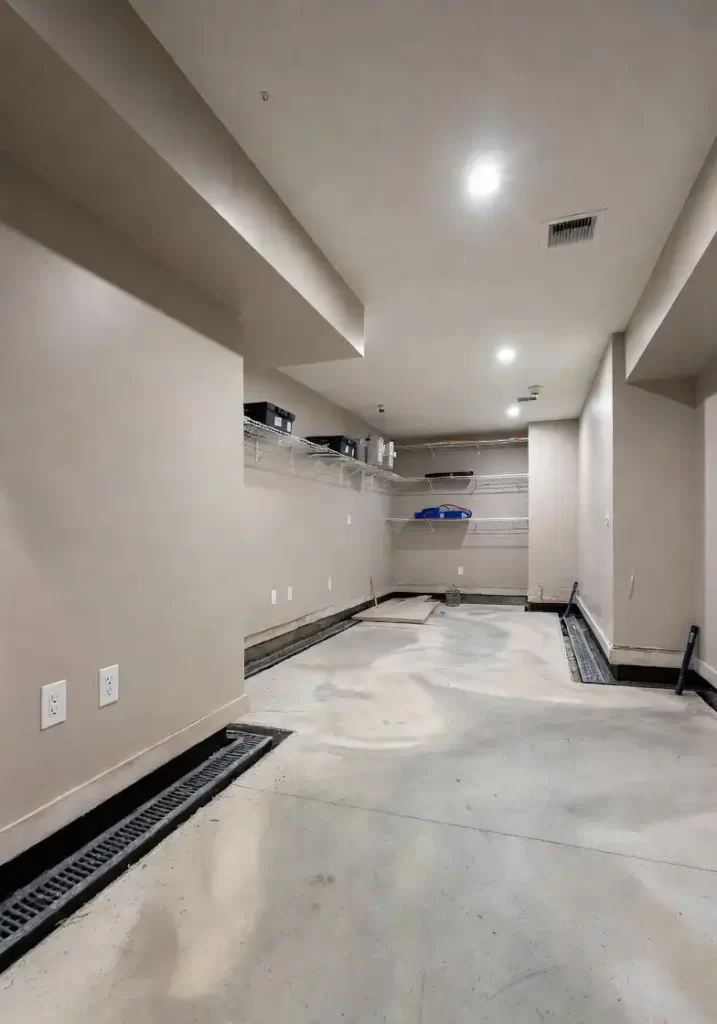
- Interior drain channels: Installed along walls or under floors to capture water.
- Sump pumps: Collect water and safely discharge it outside the home.
- Sealing cracks: Structural-grade sealants prevent leaks through existing cracks.
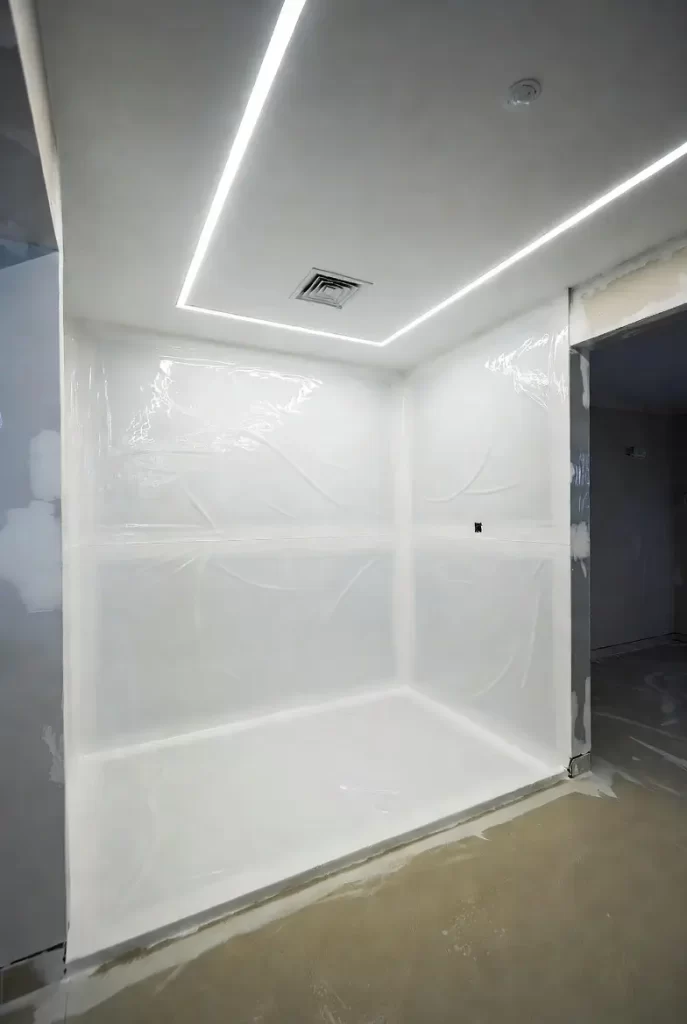
- Basement encapsulation: A vapor barrier prevents moisture from seeping through walls or floors.
The goal is to control water at its source, reduce humidity, and prevent future structural damage.
The Risks of Waiting Too Long
Ignoring water intrusion in your Detroit basement can lead to:
- Mold and mildew growth: Harmful to your family’s health.
- Structural issues: Continuous moisture can weaken concrete or wood framing.
- Floor damage: Warped subfloors, carpet damage, and uneven flooring.
- Electrical hazards: Water and electrical systems don’t mix — leaks can become dangerous.
- Reduced property value: A wet basement decreases home resale value.
The longer you wait, the more expensive and extensive repairs become.
When to Call a Professional
Professional interior waterproofing is essential if you notice:
- Standing water or leaks in the basement
- Dampness or musty odors
- Visible mold or mildew
- Warped floors or rotting wood
- Water stains or efflorescence
- Previous waterproofing attempts that failed
Early evaluation prevents minor leaks from becoming major structural issues.
Interior Waterproofing – Common Questions
Do all basement leaks require interior waterproofing?
Not always. Minor leaks from condensation may be addressed with ventilation or dehumidification, but persistent water, staining, or structural cracks usually require interior waterproofing.
Will interior waterproofing stop mold growth?
Yes. By reducing moisture and humidity, professional waterproofing prevents the conditions mold needs to grow.
Can interior waterproofing be installed in older Detroit homes?
Absolutely. Interior waterproofing systems are customized for each home, regardless of age or foundation type.
How long does professional waterproofing last?
When installed properly, interior waterproofing can last decades with minimal maintenance.
Does interior waterproofing increase home value?
Yes. Dry basements improve resale value, prevent future damage, and make your home more appealing to buyers.
Concerned About a Wet Basement?
Professional interior waterproofing can protect your Detroit home from water damage and mold growth.
Call 313-367-0241