Basement Wall Cracks Showing Up?
If you’re seeing cracks in your basement wall or water sneaking in after rain, it’s time to talk with a local contractor who actually handles crack sealing the right way.
Call 313-474-6275 to speak with a local basement wall crack sealing contractor serving Detroit and Metro Detroit.
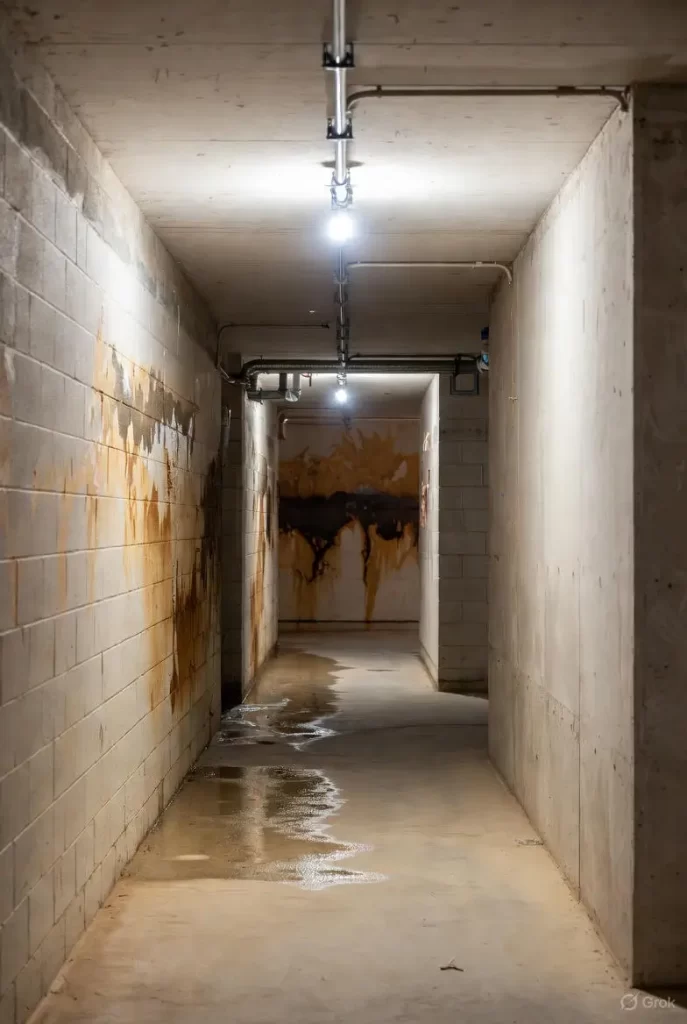
If you’re searching for a local contractor for basement wall crack sealing, something in your basement caught your attention — and it probably wasn’t subtle. Most Detroit homeowners notice cracks when water shows up, walls look different than they used to, or the basement starts smelling damp even when it’s dry.
Basement wall cracks are extremely common in Detroit and Metro Detroit. Older homes, clay-heavy soil, freeze-thaw cycles, and decades of settling all play a role. Some cracks are minor. Others let water in or signal movement behind the wall.
The key understands what you’re seeing, what causes it around here, what not to do, and when it’s time to call a professional crack sealing contractor instead of guessing.
What’s Happening: Why Basement Wall Cracks Appear
Basement wall cracks usually show up slowly. Homeowners often notice:
- Thin vertical cracks in poured concrete walls
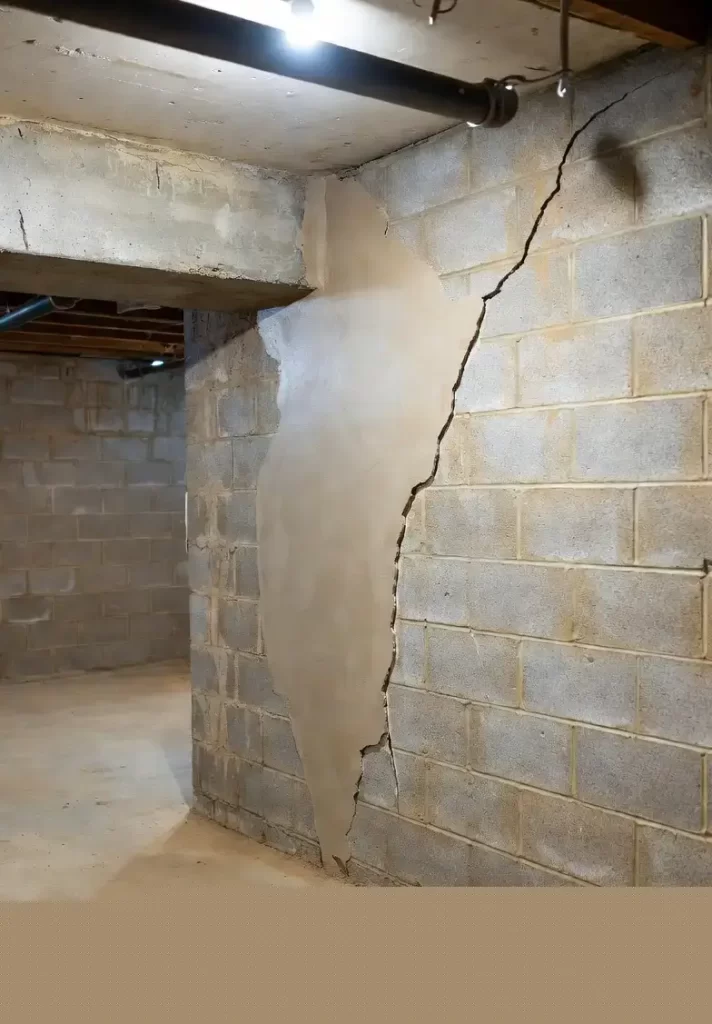
- Stair-step cracks in block foundations
- Hairline cracks that get longer over time
- Water leaking through cracks after rain
- White powdery residue on the wall
- Damp spots or musty basement smells
In Detroit homes, cracks often start dry and harmless-looking. Then one heavy rain or spring snow melt later, water finds its way in. That’s when crack sealing becomes more than cosmetic.
A crack means the wall has moved or been stressed. Sealing the crack properly stops water intrusion and helps prevent further damage — but only if the underlying conditions are understood.
Common Causes of Basement Wall Cracks in Detroit
Most basement wall cracks in Metro Detroit come from a handful of local factors.
Freeze-Thaw Cycles
Michigan winters put serious stress on foundations. Moisture in the soil freezes, expands, and pushes against basement walls. When it thaws, the soil shifts again. That constant movement cracks concrete over time.
Clay Soil
Detroit-area soil contains a lot of clay. Clay expands when wet and shrinks when dry. That expansion puts pressure on foundation walls and leads to cracking.
Poor Drainage
Clogged gutters, short downspouts, or bad grading allow water to collect around the foundation. That water increases pressure and finds its way through wall cracks.
Settlement
Older homes settle unevenly over decades. Settlement commonly causes vertical or stair-step cracks in basement walls.
Hydrostatic Pressure
When groundwater builds up around the foundation, pressure pushes inward. Even small cracks can start leaking under that pressure.
Why Basement Wall Crack Sealing Matters
Crack sealing isn’t just about appearances. Unsealed cracks can lead to:
- Basement water intrusion
- Mold and moisture problems
- Continued wall deterioration
- Interior damage and odors
- Reduced home value
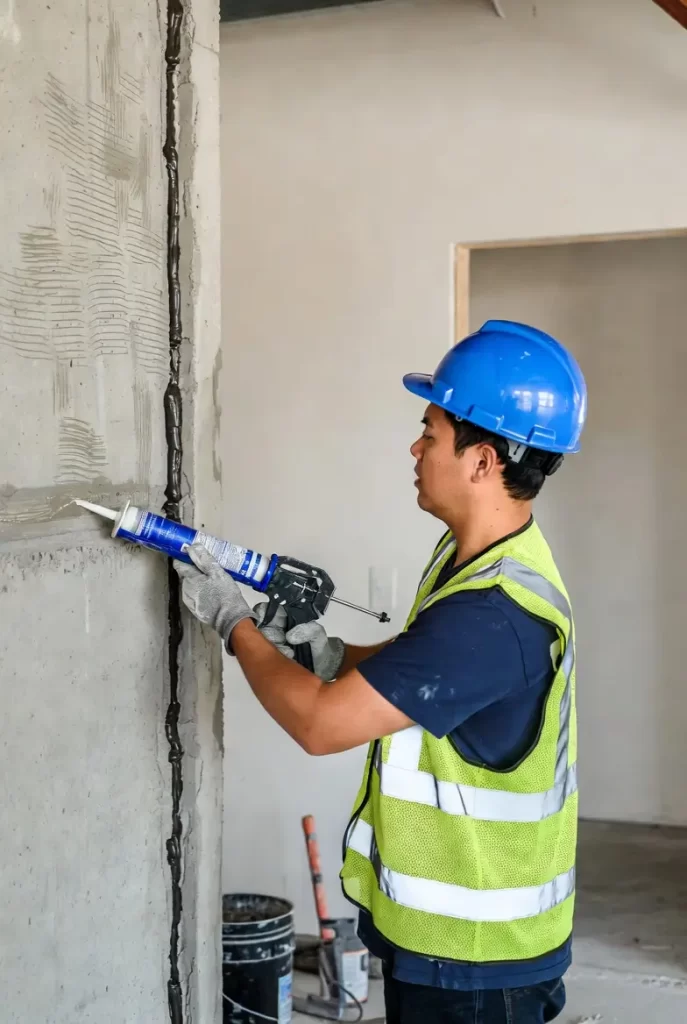
Proper crack sealing stops water at the source instead of chasing leaks inside the basement.
What NOT to Do When You Find a Basement Wall Crack
This is where many homeowners accidentally make things worse.
Don’t Just Cover It with Cement or Caulk
Surface patches often fail because they don’t bond properly or flex with the wall. Water pressure usually finds another way in.
Don’t Assume Waterproof Paint Solves It
Paint hides moisture — it doesn’t stop it. Water can still travel through the wall behind the coating.
Don’t Ignore Cracks That “Aren’t Leaking Yet”
Many Detroit homeowners wait until water shows up. By then, the crack has usually gotten worse.
Don’t Chip or Grind the Crack Randomly
Removing concrete without understanding the crack can weaken the wall and complicate professional sealing later.
Don’t Treat Structural Cracks like Cosmetic Ones
Some cracks can be sealed. Others indicate movement that needs stabilization first. Guessing is risky.
When to Call a Local Basement Wall Crack Sealing Contractor
You should call a professional if:
- Water is leaking through a wall crack
- Cracks are widening or spreading
- The basement smells damp or musty
- Cracks reappear after previous patching
- You see multiple cracks forming
- You’re preparing to sell your home
A local contractor understands Detroit soil, weather, and foundation styles — which matters more than most homeowners realize.
What a Professional Crack Sealing Contractor Looks For
A real local contractor doesn’t just look at the crack itself. They evaluate:
- Crack size, direction, and location
- Signs of wall movement
- Water pressure and entry points
- Drainage conditions around the home
- Whether sealing alone is appropriate
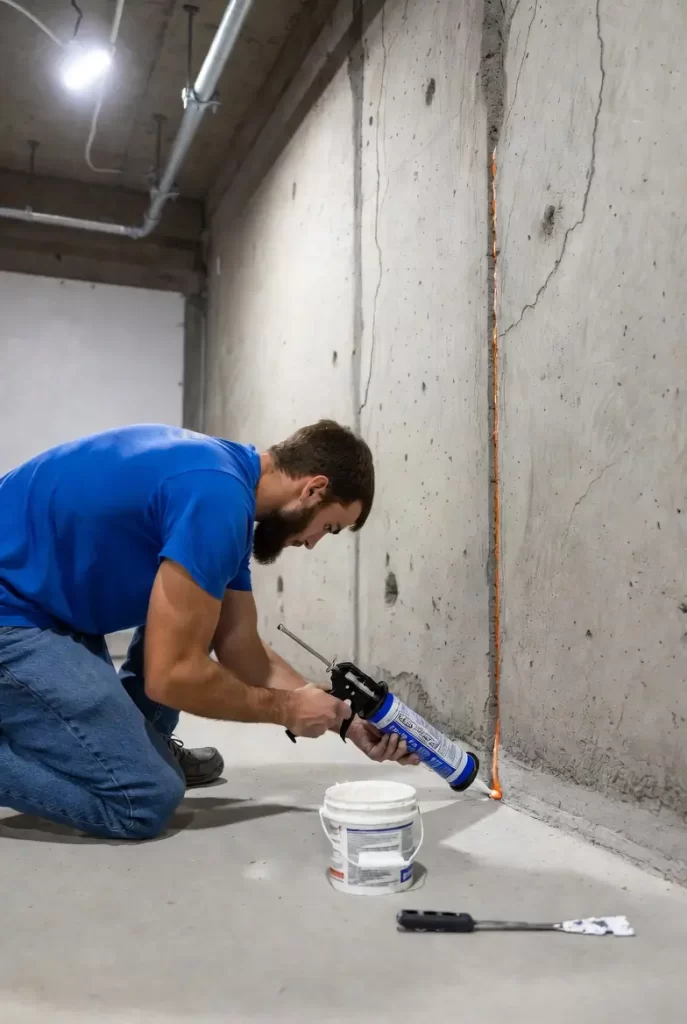
Depending on the situation, professional crack sealing may involve specialized injection materials designed to bond with concrete and stop water permanently — not temporary patches.
Why Hiring a Local Detroit Contractor Matters
Detroit foundations deal with conditions that out-of-state companies don’t always account for:
- Older concrete and block foundations
- Freeze-thaw stress
- Heavy seasonal rain
- Clay soil movement
A local basement wall crack sealing contractor understands these conditions and recommends solutions that actually hold up here.
The Cost of Waiting Too Long
Delaying crack sealing often leads to:
- Larger cracks
- More water damage
- Mold growth
- Higher repair costs later
Most homeowners who wait end up saying the same thing: “I should’ve handled this sooner.”
Straight Talk for Detroit Homeowners
If you’re searching for a local contractor, you already know something needs attention. Crack sealing done correctly can stop water intrusion and protect your foundation — but only if the problem is properly evaluated first.
Guessing or patching rarely saves money in the long run.
Talk to a Local Basement Wall Crack Sealing Contractor
If you’re seeing cracks or water in your basement walls, a local professional can help you understand whether crack sealing is the right solution.
Call 313-474-6275 to speak with a basement wall crack sealing contractor serving Detroit and Metro Detroit.
Basement Wall Crack Sealing – Expert FAQs
Are all basement wall cracks a structural concern?
Not all cracks indicate structural failure. Hairline vertical cracks can result from normal settling. Horizontal or stair-step cracks, widening cracks, or those allowing water intrusion should be evaluated by a qualified contractor.
What causes basement wall cracks in Michigan homes?
In Metro Detroit, common causes include expansive clay soils, hydrostatic pressure from groundwater, freeze-thaw cycles, and poor exterior drainage. Older foundations without modern reinforcement are particularly vulnerable.
Why do cracks often leak during storms or snowmelt?
Elevated groundwater levels increase pressure on basement walls. Cracks act as direct pathways for water intrusion, especially in areas with clay-rich soils or compromised drainage systems.
Is surface patching a permanent solution?
No. Surface patches address appearance but not pressure or wall movement. Professional crack sealing methods penetrate the wall, bond structurally, and remain flexible to handle ongoing stress and hydrostatic pressure.
Can ignoring cracks lead to bigger problems?
Yes. Unsealed cracks allow water penetration, accelerate concrete deterioration, and can lead to mold, wall bowing, or structural compromise. Early intervention prevents costly repairs.
How do I know if a crack sealing repair failed?
Signs include recurring moisture, staining, efflorescence, or re-opening of the crack. Persistent water intrusion indicates that pressure or wall movement was not fully addressed.
Are older Detroit homes more at risk?
Yes. Many homes built decades ago lack modern drainage and foundation reinforcements. Combined with clay soil and seasonal freeze-thaw cycles, older foundations are more prone to cracking and water intrusion.
When should I call a professional contractor?
Contact a licensed contractor immediately if cracks are leaking, widening, appearing in multiple locations, or associated with wall displacement, bowing, or musty odors. Professional evaluation ensures proper sealing and long-term structural protection.