If you’ve ever gone into your basement after a heavy rain and noticed a small trickle of water coming through the wall, your first thought is probably panic. Your second thought is usually, “How bad is this… and how expensive is it going to get?”
Here’s the good news: not every basement leak means major foundation work. Some leaks are small, localized, and manageable — at least in the short term. One old-school method that still gets talked about is using corks to stop small active leaks.
Yes, actual corks.
This article explains what that method is, why it sometimes works, how to do it safely, and when it’s time to stop trying DIY fixes and get professional help.
Why Small Basement Wall Leaks Happen
Most basement wall leaks happen because of water pressure outside your home. When rain or melting snow soaks the soil around your foundation, that water pushes against the walls. Concrete isn’t waterproof — it’s porous — and water will always find the easiest way in.
Common entry points include:
- Tiny cracks in poured concrete walls
- Old tie-rod holes
- Small gaps in mortar joints (block foundations)
- Minor imperfections from when the foundation was poured
In many cases, the wall itself is still structurally sound. The issue is simply that water found a path.
What Is the Cork Method?
The cork method is a temporary way to plug a small, active water leak from the inside of your basement.
Natural cork expands when it gets wet. When pressed tightly into a small hole or crack where water is actively entering, the cork swells and helps block the flow.
This technique has been around for decades. It’s not a modern miracle and it’s not meant to replace real repairs — it’s a stopgap solution.
Think of it as buying time, not fixing the root cause.
When the Cork Method Can Work
The cork method works best when all of the following are true:
- The leak is small and clearly defined
- Water is actively dripping or streaming from one spot
- The surrounding concrete is solid, not crumbling
- You’re dealing with a single leak, not widespread moisture
- You need immediate relief, not a permanent fix
In these situations, a cork can slow or stop the water long enough to prevent damage and give you time to plan next steps.
When Corks Won’t Help (And You Shouldn’t Try)
It’s important to know the limits.
The cork method is not a good idea if:
- The crack is wide or growing
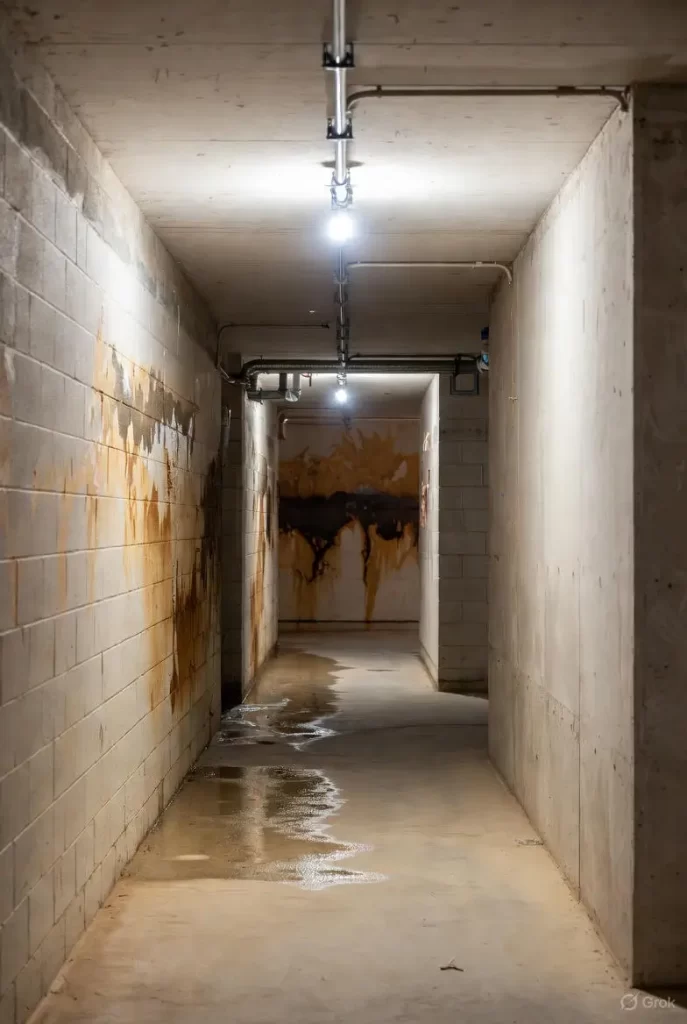
- Water is seeping through multiple areas
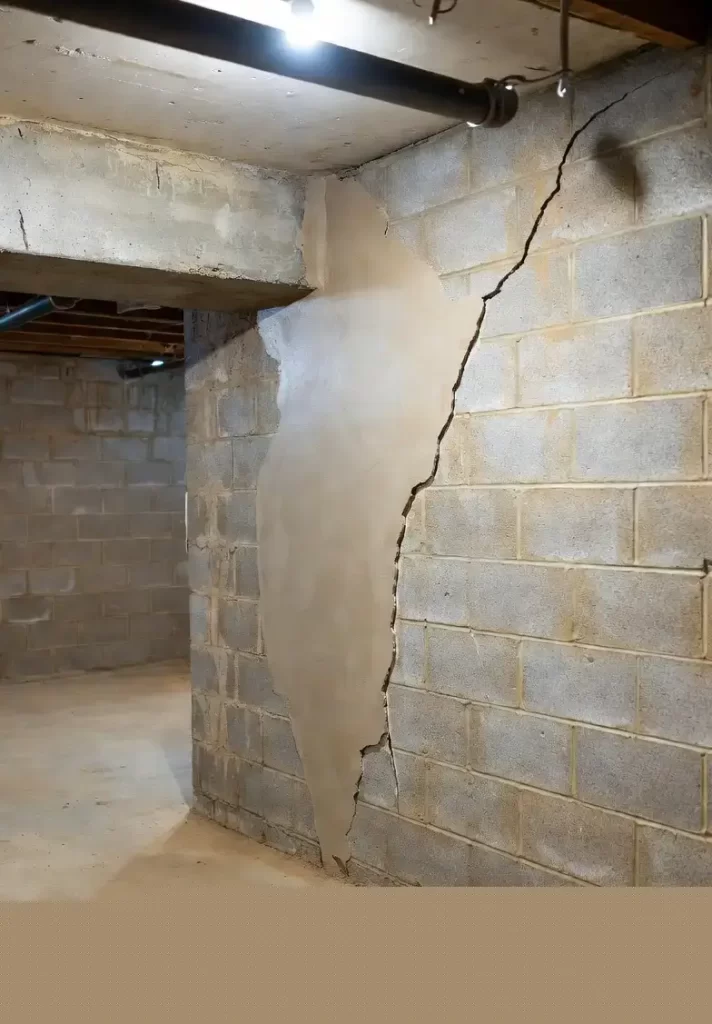
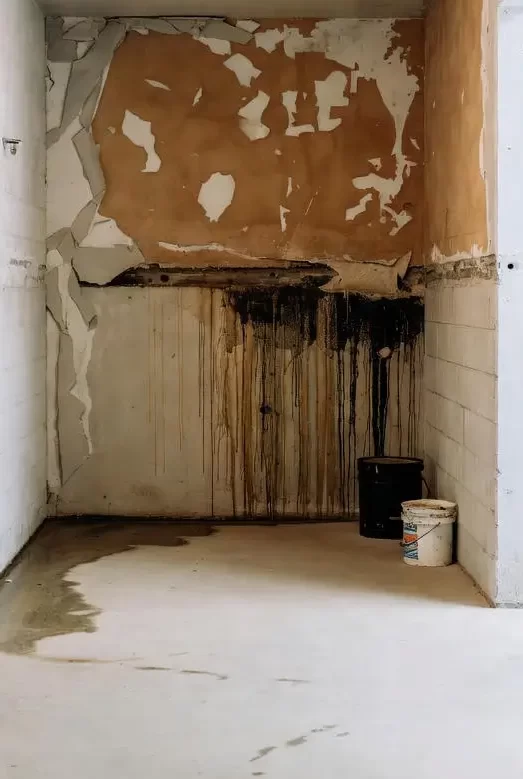
- The wall is bowing, flaking, or deteriorating
- Water is coming up where the wall meets the floor
- Your basement floods during heavy storms
In those cases, the problem is bigger than a small leak, and plugging one spot may just force water somewhere else.
Choosing the Right Cork
If you’re going to try this, the type of cork matters.
Use:
- Natural cork (wine corks work well)
- A cork slightly larger than the hole
- Corks without plastic or rubber cores
Avoid synthetic corks. They don’t expand the same way and won’t seal properly.
Step-by-Step: How Homeowners Can Try the Cork Method
Step 1: Find the True Source of the Leak
Water can travel along the wall before dripping down. Dry the area completely and watch carefully during active leaking to find the exact entry point.
Step 2: Clean the Area
Scrape away loose paint, debris, or chalky residue so the cork presses against solid material.
Step 3: Shape the Cork
Trim the cork so it’s slightly tapered. This makes it easier to press in tightly.
Step 4: Insert the Cork
Using a hammer or mallet, gently tap the cork into the hole. You want it snug — not forced to the point of cracking the wall.
If water slows or stops, you’re on the right track.
Step 5: Seal Over It
Once the cork is in place, cover it with hydraulic cement or a waterproof epoxy patch. This helps protect the cork and adds strength.
Why This Method Works at All
Cork expands when it absorbs water. As it swells, it presses against the sides of the hole and creates a tight seal. Water pressure actually helps push the cork tighter into place.
This is why corks often work better on active leaks than on dry cracks.
The Important Thing to Understand
While a cork may stop water from coming through that exact spot, it does not remove the pressure outside your foundation.
That pressure is still there.
Over time, water may:
- Push past the cork
- Find a nearby crack
- Appear somewhere else along the wall
That’s why cork repairs should always be viewed as temporary or diagnostic, not permanent.
How Long Will a Cork Repair Last?
There’s no set timeline.
Some cork repairs last weeks.
Some repairs last months.
Occasionally, the repairs last years in low-pressure situations.
But they can also fail quickly during heavy rain or snowmelt. That’s why monitoring the area for water is important.
Permanent Solutions That Actually Fix Basement Leaks
If leaks continue, long-term fixes usually involve:
- Crack injection (urethane or epoxy)
- Interior drainage systems
- Exterior waterproofing
- Grading and downspout corrections
- Sump pump improvements
These solutions address why water is entering, not just where.
When It’s Time to Call for Help
You should bring in a professional if:
- Leaks keep returning
- Multiple cracks appear
- Water damage is spreading
- You’re worried about foundation integrity
- DIY fixes aren’t holding
At that point, guessing can cost more than getting proper advice.
Thoughts for Homeowners on Basement Wall Leaks
Using a cork to stop a small basement wall leak isn’t crazy — when used correctly, it can be a helpful short-term solution. But it’s not a cure-all, and it’s not something to rely on long-term.
If the leak is small and isolated, this method can buy you time and peace of mind. If the problem keeps coming back, it’s a sign that the issue needs deeper attention.
Still Dealing With a Basement Leak?
Small leaks can turn into big problems if they’re ignored. If you’re unsure whether a cork fix is enough, get honest guidance before it gets worse.
Call now to talk through your situation.
Call 313-367-0241