Dealing With Moisture in Your Crawlspace?
If your crawlspace smells musty, stays damp, or shows signs of mold, professional waterproofing can prevent serious damage.
Call 313-367-0241In Saginaw and the surrounding Mid-Michigan area, crawlspace moisture is one of the most overlooked problems homeowners deal with. Many people rarely go into their crawlspace, so issues can develop quietly for years before anyone notices.
By the time signs appear inside the home — musty odors, cold floors, warped wood, or rising humidity — moisture has usually been present for a long time.
Saginaw’s soil conditions, seasonal flooding, snowmelt, and fluctuating groundwater levels make crawlspaces especially vulnerable. Without proper waterproofing, moisture builds up under the home and slowly works its way into the structure.
This page explains what crawlspace waterproofing in Saginaw actually involves, why moisture problems happen, what mistakes to avoid, and when professional help is needed.
What’s happening: Signs Your Crawlspace Has a Moisture Problem
Most crawlspace issues don’t start with standing water. They start with small, easy-to-ignore symptoms.
Common warning signs include:
- Musty or damp odors inside the home
- Cold or uneven floors
- High indoor humidity
- Mold or mildew near baseboards
- Soft or sagging subfloors
- Rust on HVAC equipment
- Condensation on pipes or ductwork
These symptoms usually mean moisture is building up underneath the home and has nowhere to go.
Because crawlspaces are enclosed and poorly ventilated, damp air becomes trapped. Over time, that moisture saturates wood framing, insulation, and subfloor materials.
Left untreated, this creates an environment where mold grows, wood weakens, and air quality declines.
Why Crawlspaces in Saginaw Develop Moisture Problems
Moisture in crawlspaces doesn’t happen by accident. In Saginaw, several environmental factors contribute to ongoing issues.
High Groundwater Levels
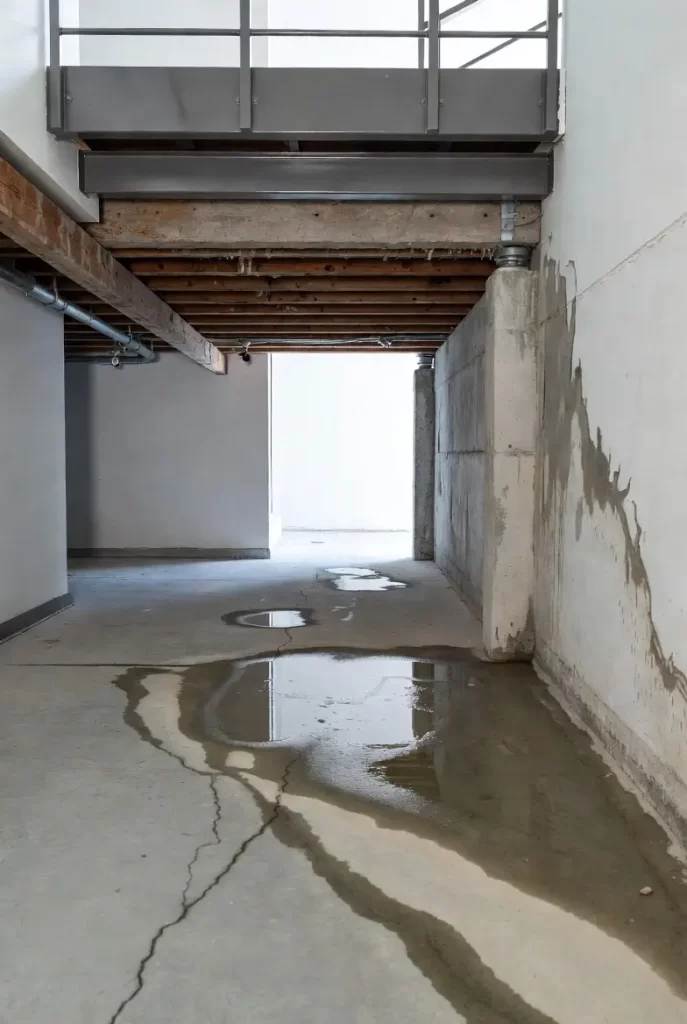
After heavy rain or snowmelt, groundwater rises. If drainage is poor, water collects around the foundation and seeps into crawlspaces.
Clay and Silty Soil
Local soil retains water and drains slowly. This keeps moisture pressed against foundation walls for extended periods.
Poor Exterior Drainage
Short downspouts, clogged gutters, and negative grading allow rainwater to pool near the home.
Open Vents and Gaps
Older homes often rely on open crawlspace vents. In humid weather, these vents allow moist air to enter and condense inside.
Inadequate Vapor Barriers
Many crawlspaces either lack vapor barriers or have damaged plastic sheeting that no longer blocks ground moisture.
Aging Foundations
Cracks, settlement, and deteriorating masonry allow moisture intrusion over time.
What NOT to Do About Crawlspace Moisture
When moisture problems appear, many homeowners try quick fixes that don’t solve the real issue.
Don’t Rely on Fans or Dehumidifiers Alone
Dehumidifiers help temporarily, but they do not stop moisture from entering the crawlspace.
Don’t Leave Open Vents Year-Round
Open vents often make humidity worse in Michigan’s climate, especially during summer.
Don’t Ignore Minor Dampness
“Just a little moisture” often becomes mold, rot, and structural problems later.
Don’t Use Cheap Plastic Sheets
Thin plastic from hardware stores tears easily and fails to seal the ground properly.
Don’t Cover Mold Without Fixing Moisture
Cleaning mold without addressing moisture allows it to return.
Why Professional Crawlspace Waterproofing Works
Professional crawlspace waterproofing focuses on controlling moisture at the source, not just managing symptoms.
A proper system may include:
- Heavy-duty vapor barriers
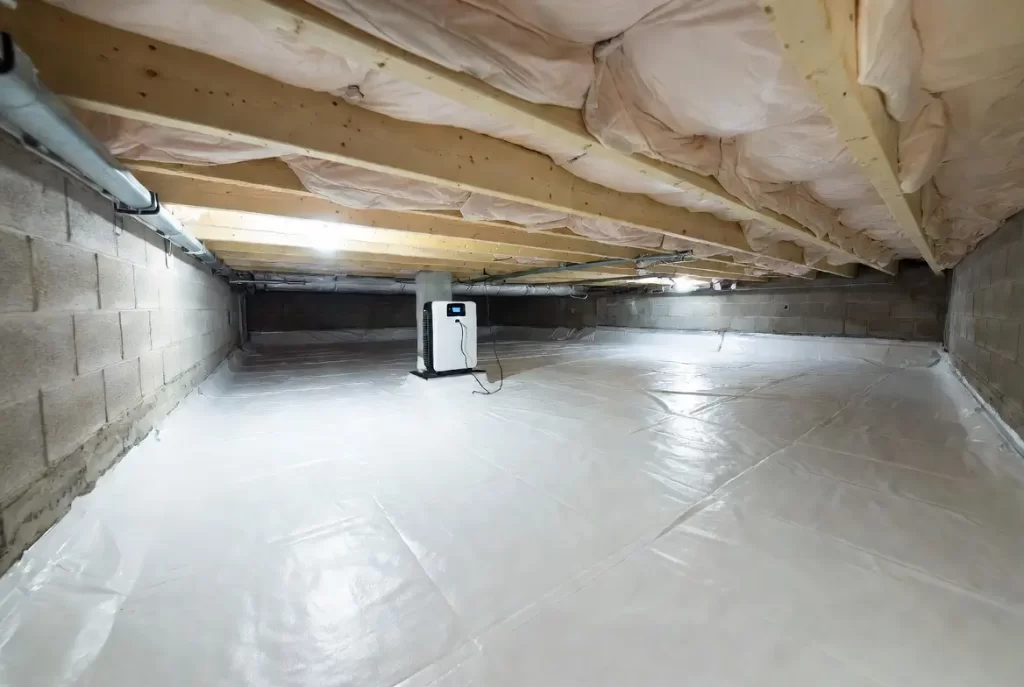
- Crawlspace encapsulation
- Drainage systems
- Sump pump installation
- Foundation sealing
- Insulation upgrades
- Controlled ventilation or dehumidification
Each crawlspace requires a customized approach based on soil conditions, foundation type, and moisture patterns.
When done correctly, waterproofing stabilizes humidity, protects structural components, and improves indoor air quality.
How Crawlspace Moisture Affects Your Entire Home
Many homeowners don’t realize that crawlspaces influence the entire structure.
Up to 50% of the air inside a home can originate from the crawlspace. When that air is damp or moldy, it spreads throughout the living space.
Long-term moisture can cause:
- Wood rot in floor joists
- Sagging or uneven floors
- Increased energy bills
- Persistent odors
- Allergy and respiratory issues
- Reduced property value
Waterproofing protects more than just the crawlspace — it protects the home.
Michigan Crawlspace Challenges and Solutions
Seasonal Soil Movement and Crawlspace Pressure
Saginaw, like much of Michigan, sits on clay-heavy soils that expand and contract dramatically with moisture changes. During wet spring months or after heavy rainfall, the soil around your foundation swells, putting pressure on crawlspace walls and floors. In drier months, the soil shrinks, which can create gaps or uneven settling. This seasonal movement doesn’t just create cracks in walls — it also allows water to seep into crawlspaces more easily and can compromise the structural integrity of wooden joists over time.
Even homes with small initial cracks can experience accelerated damage if soil movement isn’t managed. A properly waterproofed crawlspace absorbs and redirects this pressure, protecting the structural components and keeping moisture from reaching the wood framing.
Health and Safety Implications of Damp Crawlspaces
Many homeowners underestimate how crawlspace moisture impacts indoor air quality. Mold and mildew spores can rise from damp crawlspaces into living spaces, triggering allergy symptoms, respiratory issues, or headaches. For families with children, pets, or anyone with preexisting respiratory conditions, this can quickly become a serious health concern.
Additionally, persistent dampness attracts pests like termites and carpenter ants, which can further damage wooden subfloors and framing. Waterproofing your crawlspace not only protects your home but also creates a safer, healthier living environment.
How Professional Crawlspace Waterproofing Works
Professional waterproofing is more than laying down a plastic sheet. Contractors evaluate your home’s specific conditions, including soil type, drainage patterns, foundation design, and historical moisture issues. Common steps include:
- Installing heavy-duty vapor barriers: High-quality polyethylene sheets cover the entire crawlspace floor, preventing ground moisture from rising.
- Encapsulation: Sealing vents, walls, and floors to create a controlled, dry environment that stops humid air from entering.
- Drainage management: Installing perimeter drains or sump pumps to redirect water away from the home.
- Humidity control: Adding dehumidifiers or ventilation systems to maintain safe moisture levels.
By addressing moisture at its source, professional systems prevent long-term problems and reduce repair costs down the line.
Common Mistakes Homeowners Make
Even well-meaning homeowners can make mistakes that make crawlspace moisture worse:
- Partial fixes: Covering only part of the crawlspace with plastic or sealing a small crack doesn’t stop water intrusion. Moisture finds the weakest point.
- Ignoring grading and drainage: Water pooling near the foundation will always find its way inside unless gutters, downspouts, and soil grading are corrected.
- Skipping inspections: Even if the crawlspace seems dry, hidden leaks or condensation can cause damage over time. Regular professional inspections catch issues before they escalate.
Avoiding these mistakes is one of the biggest reasons professional waterproofing pays off.
Long-Term Benefits of Crawlspace Waterproofing in Saginaw
Investing in crawlspace waterproofing protects your home and adds peace of mind. Key benefits include:
- Protection from structural damage: Wood rot, subfloor sagging, and joist deterioration are minimized.
- Improved indoor air quality: Reduced mold and mildew improves overall home health.
- Energy efficiency: A dry, insulated crawlspace reduces drafts and helps your heating system work more efficiently.
- Property value: Homes with professionally waterproofed crawlspaces are easier to sell and often command higher resale prices.
When installed properly, waterproofing is a long-term investment that protects your home and family.
When to Call a Crawlspace Waterproofing Professional in Saginaw
You should contact a professional if:
- Your crawlspace stays damp year-round
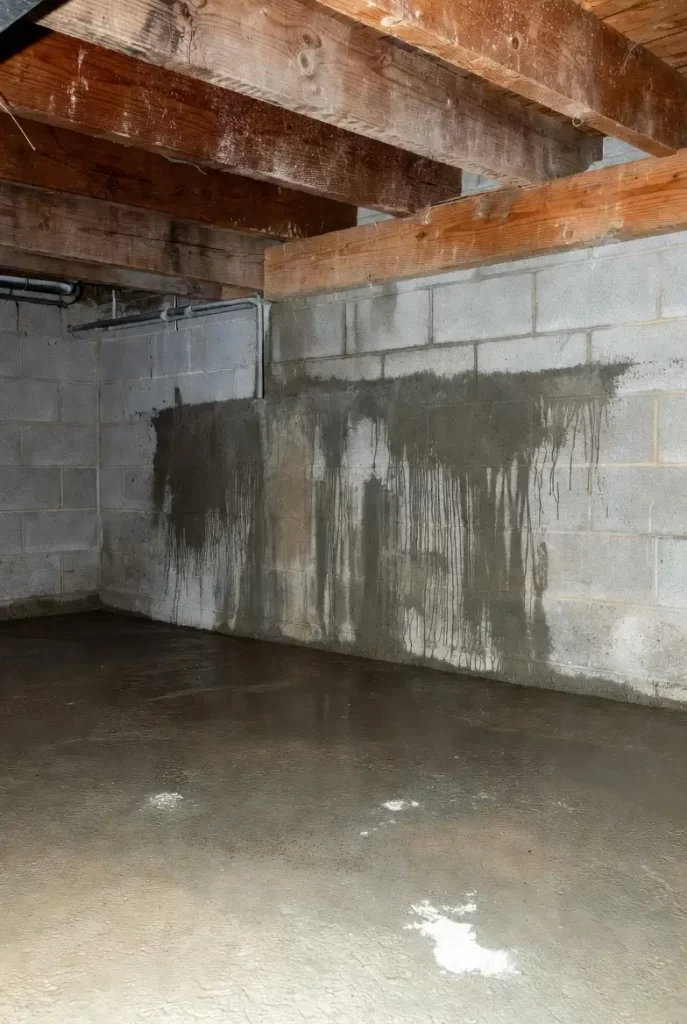
- Mold is visible on wood framing
- Insulation is falling or wet
- Floors feel soft or cold
- Odors won’t go away
- Previous solutions failed
Early intervention prevents expensive structural repairs later.
Crawlspace Waterproofing – Common Questions
Is crawlspace moisture normal in Michigan homes?
Some moisture is common, but persistent dampness, mold, or odors indicate a problem that should be professionally addressed.
Does encapsulation stop crawlspace moisture?
Yes, when properly installed. Encapsulation seals the ground and walls, preventing outside moisture from entering.
Can crawlspace moisture cause mold inside the house?
Yes. Moist air rises and circulates throughout the home, allowing mold spores to spread.
Will waterproofing lower humidity levels?
Proper waterproofing stabilizes humidity and improves indoor comfort.
How long does professional waterproofing last?
When installed correctly, crawlspace waterproofing systems can provide long-term protection with minimal maintenance.
Worried About Moisture Under Your Home?
A professional crawlspace inspection can help identify problems before serious damage occurs.
Call 313-367-0241