Concrete foundations are strong, but they’re not invincible—especially in Michigan. Between freeze-thaw cycles, heavy rain, clay soil, and older construction, concrete foundations here take a beating. Over time, that stress shows up as cracks, water leaks, or movement that’s hard to ignore once you see it.
If you’re noticing issues with your concrete foundation, this post breaks it down in plain English: what the problems look like, what causes them, what not to try fixing yourself, and when it makes sense to call a professional.
The Problem: Concrete Foundation Issues in Michigan Homes
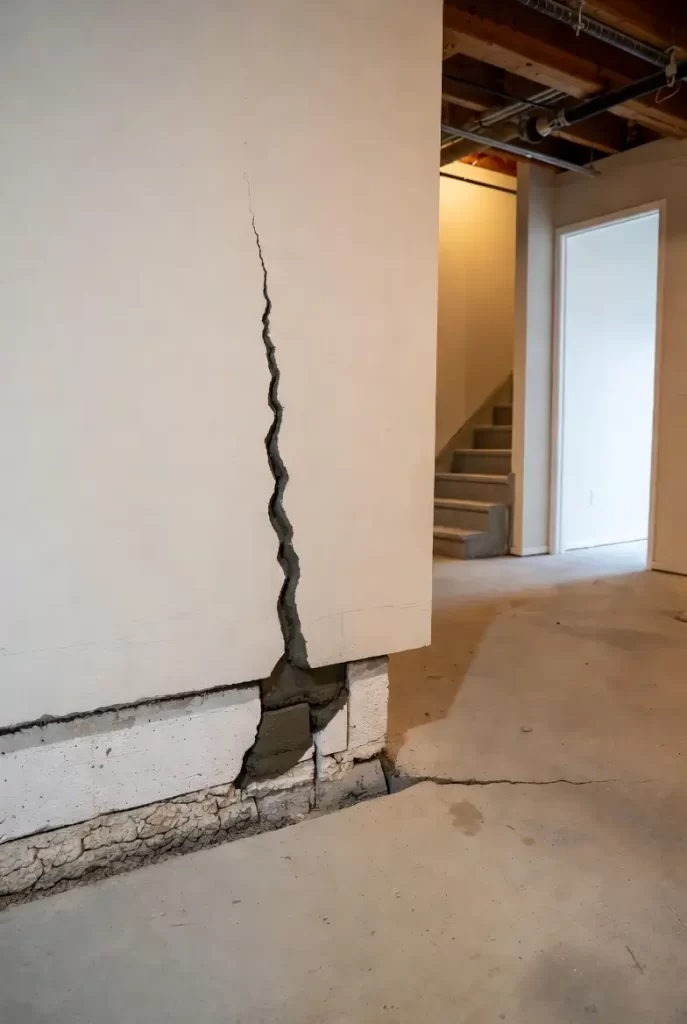
Concrete foundation problems usually don’t start dramatic. Most homeowners notice small warning signs first, like:
- Cracks in poured concrete basement walls
- Water seeping through concrete after rain
- Damp or discolored wall areas
- Hairline cracks getting longer over time
- Horizontal cracking or inward wall movement
- Musty smells even when the basement looks dry
A lot of people assume concrete means “solid forever.” That’s not how it works. Concrete is strong, but it’s also rigid. When the ground around it moves—and in Michigan it always moves—concrete cracks instead of flexing.
Ignoring those signs doesn’t make them go away. It usually just means the repair gets bigger later.
Common Causes of Concrete Foundation Damage
Most concrete foundation problems in Michigan come from the same repeat causes.
1. Freeze-Thaw Cycles
Michigan winters are brutal on concrete. Moisture around the foundation freezes, expands, and puts pressure on the walls. When it thaws, the ground shifts again. That constant expansion and contraction stresses concrete year after year.
2. Clay Soil Expansion
Clay soil absorbs water and swells. When it dries out, it shrinks. That movement pushes against concrete foundations from the outside and causes cracking.
3. Poor Water Drainage
If water isn’t directed away from your home, it collects around the foundation. That buildup creates hydrostatic pressure, which forces water and stress into the concrete walls.
4. Settlement
All homes settle, but uneven settling puts stress on concrete foundations. This often causes vertical cracks or uneven floors.
5. Hydrostatic Pressure
When groundwater builds up around a basement, pressure pushes inward. Concrete walls can crack horizontally or bow under that pressure.
6. Aging Concrete
Many Michigan homes were built decades ago. Older concrete mixes and construction methods weren’t designed for today’s water management standards.
Types of Concrete Foundation Problems (And Why They Matter)
Concrete foundation damage isn’t one-size-fits-all. The type of problem tells you a lot.
- Vertical cracks
Often caused by settlement. Some are minor, some allow water in. - Horizontal cracks
Usually a sign of pressure pushing the wall inward. These are more serious and often structural. - Diagonal cracks
Can indicate uneven settlement or soil movement. - Surface spalling or flaking
Moisture and freeze-thaw damage breaking down the concrete surface. - Leaking through concrete walls
Water intrusion that usually means pressure or drainage issues.
Understanding what type of damage you’re seeing helps determine whether it’s cosmetic—or something that needs real repair.
What NOT to DIY With Concrete Foundations
This is where a lot of homeowners make things worse.
Don’t Just Paint Over Cracks
Concrete paint or waterproof coatings don’t fix structural issues. They hide symptoms while the problem continues underneath.
Don’t Rely on Store-Bought Patch Kits Alone
Quick patch kits may stop water temporarily, but they don’t address pressure, movement, or drainage problems.
Don’t Ignore Horizontal Cracks
Horizontal cracking in concrete walls is a serious warning sign. Waiting usually leads to bowing walls or costly structural repairs later.
Don’t Chip or Grind Cracks without Knowing Why They’re There
Removing material can weaken the wall further if the underlying issue isn’t addressed.
Don’t Assume “Concrete Is Fine Because It’s Thick”
Thickness doesn’t stop pressure. Concrete fails when stress builds up around it.
DIY repairs often delay proper fixes and can increase long-term repair costs.
When Concrete Foundation Repair Is Necessary
You should strongly consider professional concrete foundation repair if:
- Cracks are wider than ⅛ inch
- Water is leaking through concrete walls
- Cracks are growing or spreading
- Walls appear bowed or uneven
- Floors feel sloped or shifting
- You notice persistent dampness or mold smells
- You’re preparing to sell the home
Concrete foundation problems don’t reverse themselves. Early repairs are almost always simpler and more affordable.
How Concrete Foundation Repairs Are Done Properly
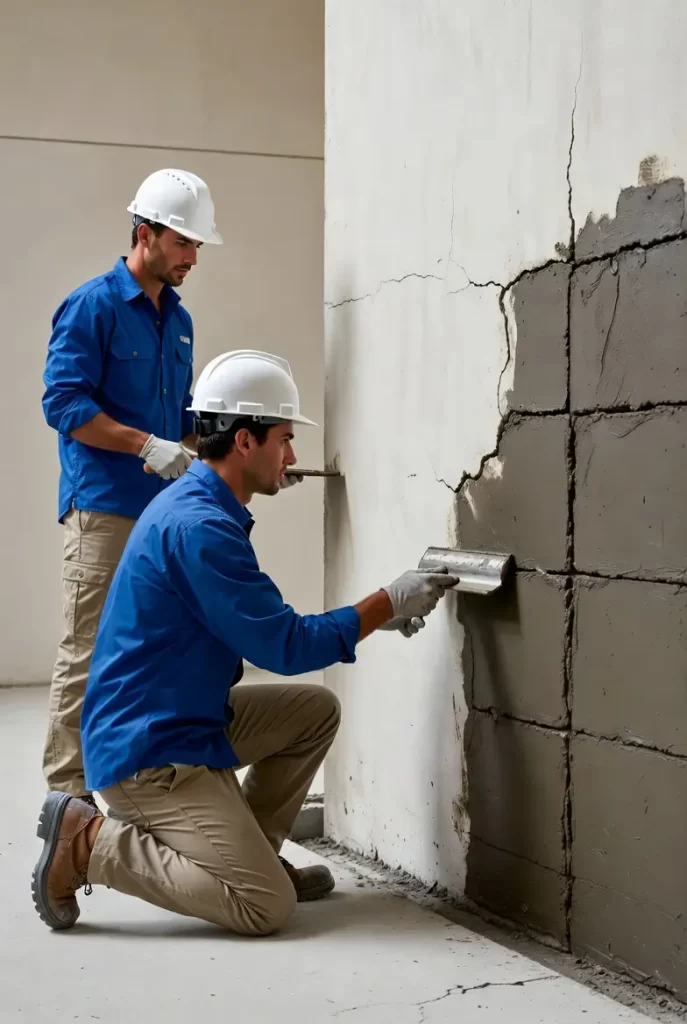
Professional concrete foundation repair isn’t about guessing or slapping on a patch. The goal is to stabilize the structure, stop water intrusion, and prevent future movement.
Depending on the issue, repairs may include:
- Epoxy or polyurethane crack injection
- Carbon fiber or steel reinforcement
- Wall stabilization systems
- Interior drainage systems to relieve pressure
- Exterior waterproofing and drainage correction
A proper repair plan looks at the cause, not just the visible damage.
Why Michigan Concrete Foundations Need Special Attention
Concrete foundation repair in Michigan isn’t the same as warmer or drier states.
- Freeze-thaw cycles stress concrete constantly
- Spring snow melt creates sudden water pressure
- Heavy rains expose weak foundation areas
- Older homes need tailored repair solutions
That’s why concrete foundation repairs here should be handled by professionals who understand Michigan soil and weather conditions.
The Cost of Waiting Too Long
Small concrete foundation issues often turn into bigger ones when ignored. What starts as a minor crack can lead to:
- Basement water damage
- Mold and air quality issues
- Structural movement
- Reduced home value
- Higher repair costs
Waiting rarely saves money. It usually does the opposite.
A Practical Way to Look at It
Seeing cracks or water in your concrete foundation doesn’t automatically mean disaster. But it does mean something is happening that shouldn’t be ignored.
Getting a professional opinion early gives you clarity. Sometimes the fix is simple. Sometimes it’s more involved. Either way knowing beats guessing.
If you’re dealing with concrete foundation cracks, leaks, or movement and want real answers, having a professional take a look can help you understand what’s going on before it turns into a bigger issue.
Talk to a Michigan Concrete Foundation Repair Professional
If your concrete foundation is cracking, leaking, or showing signs of movement, a professional inspection can help you understand your repair options.
📞 Call 313-367-0241 to discuss concrete foundation repairs in Michigan.