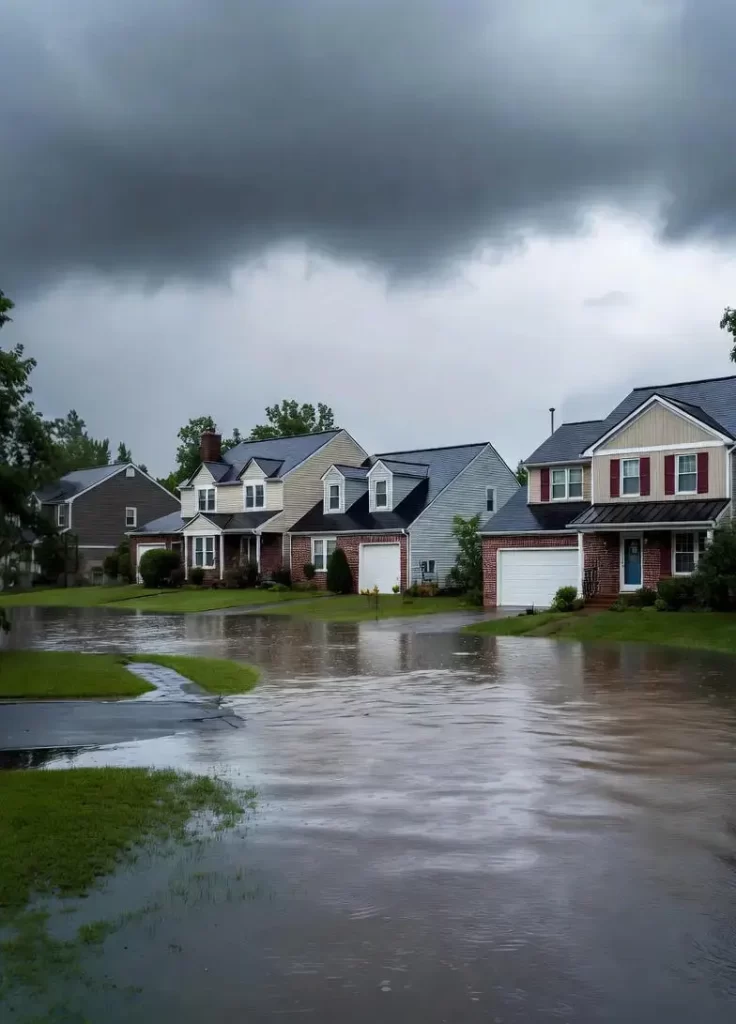
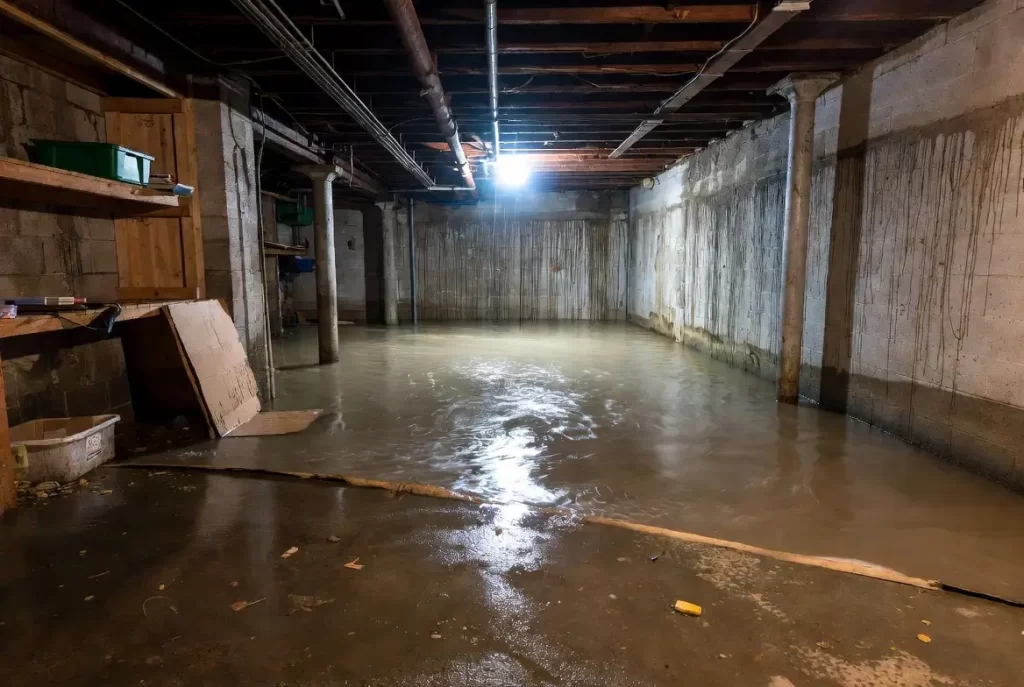
Heavy rain can be a welcome sight for your lawn and garden, but it can quickly become a nightmare if water keeps finding its way into your basement. Whether you’re dealing with a few puddles or several inches of standing water, basement flooding is something every homeowner should take seriously. Even a small amount of water can lead to mold growth, damaged belongings, weakened foundations, and expensive repairs if it isn’t addressed.
The good news is that recurring basement flooding is often preventable. Understanding why it happens and knowing what steps to take can save you thousands of dollars while protecting your home’s value.
Why Does My Basement Flood Every Time It Rains?
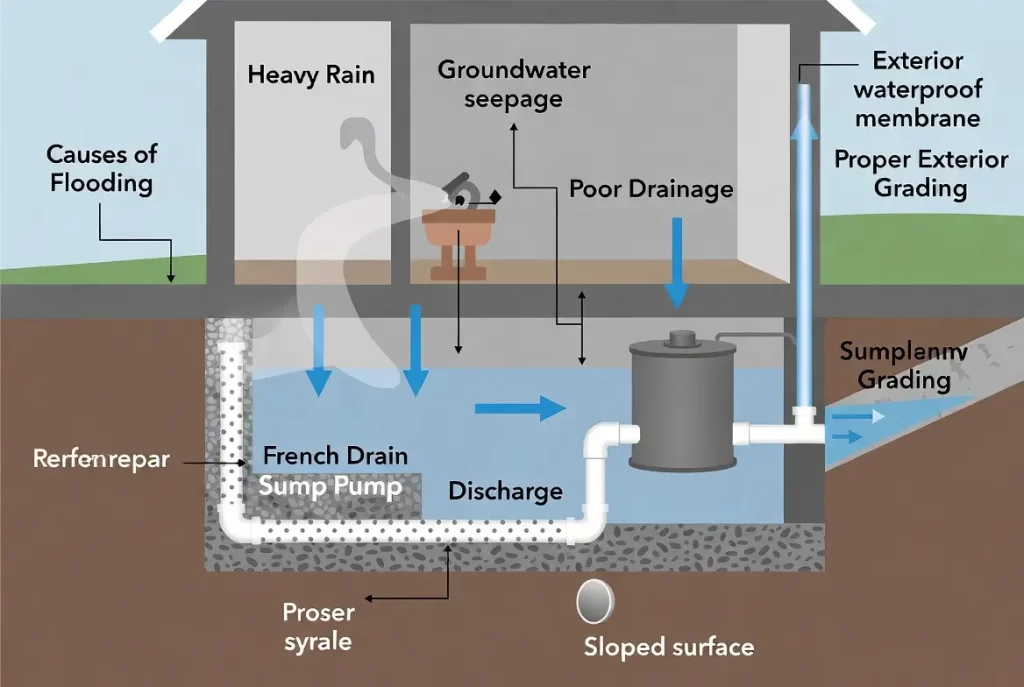
Many homeowners assume their basement leaks because of cracks in the walls or floor. While cracks can certainly allow water inside, they’re usually just a symptom of a larger drainage problem outside your home.
Some of the most common causes include:
- Poor yard drainage
- Clogged gutters
- Downspouts that discharge water too close to the home
- Improper grading around the foundation
- High groundwater levels
- Hydrostatic pressure pushing water through the foundation
- Failing sump pumps
- Clogged footing drains
When several inches of rain fall within a short period, the soil surrounding your home becomes saturated. Once the ground can’t absorb any more water, that moisture looks for the easiest path—and your basement may become that path.
Stay Safe Before Entering a Flooded Basement
Safety should always come first.
Never enter a flooded basement if there is any chance electrical outlets, wiring, or appliances are underwater. If you suspect electricity may still be flowing, contact your utility company or an electrician before entering.
If the flooding is significant, wear waterproof boots and gloves. Floodwater can contain bacteria, sewage, chemicals, or other contaminants that make cleanup hazardous.
Find Where the Water Is Coming From
Before making repairs, determine how water is entering your basement.
Ask yourself:
- Does flooding only happen during heavy rain?
- Does water appear along the walls?
- Is water coming up through the floor?
- Is it leaking around basement windows?
- Is your sump pump working?
Finding the source helps determine the proper solution rather than simply treating the symptoms.
Remove Standing Water Quickly
The longer water sits in your basement, the greater the damage becomes.
Standing water can ruin:
- Drywall
- Flooring
- Carpeting
- Furniture
- Electronics
- Personal belongings
- Wooden framing
If there’s only a small amount of water, a wet/dry vacuum may work. Larger floods may require pumps or professional water extraction equipment.
Try to remove as much water as possible within the first 24 to 48 hours to reduce the risk of mold growth.
Dry Everything Thoroughly
Removing the water is only the beginning.
Moisture trapped inside walls, insulation, flooring, and wood framing can create the perfect environment for mold.
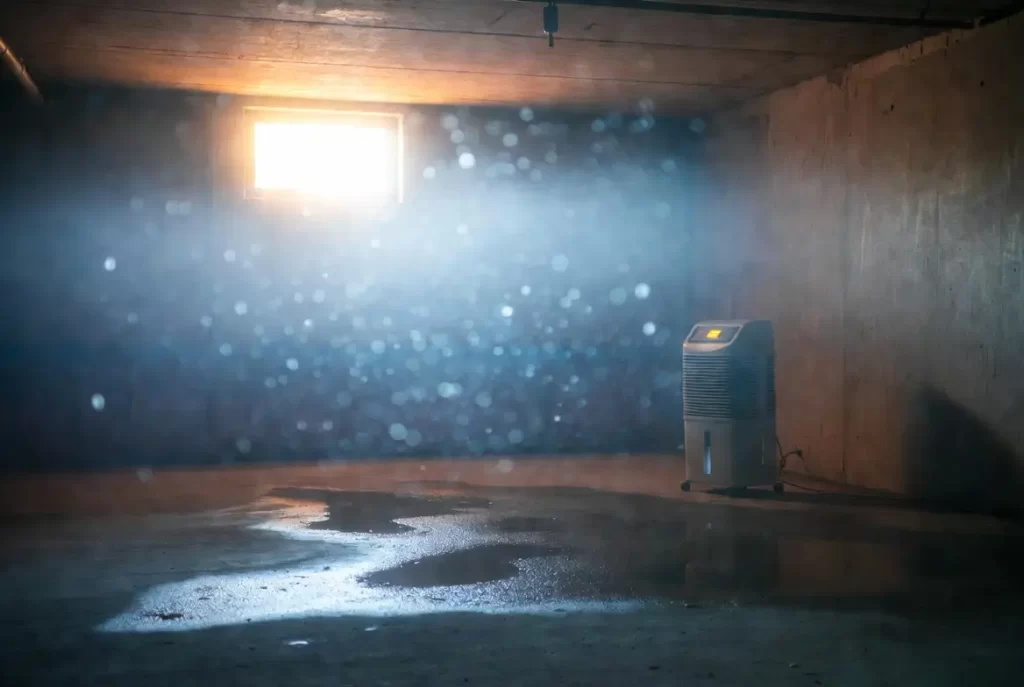
Open windows if weather permits, use fans to circulate air, and run dehumidifiers continuously until everything is completely dry.
Throw away materials that cannot be properly dried, including soaked carpeting, insulation, ceiling tiles, and damaged drywall if necessary.
Check Your Gutters
One of the simplest causes of basement flooding is clogged gutters.
When gutters overflow, hundreds of gallons of rainwater spill directly next to your home’s foundation.
Clean your gutters regularly by removing:
- Leaves
- Pine needles
- Twigs
- Roof granules
- Dirt buildup
Well-maintained gutters direct water safely away from your home instead of allowing it to soak into the soil around your basement.
Extend Your Downspouts
Many homes have downspouts that empty only a foot or two away from the foundation.
That isn’t far enough.
Ideally, downspouts should discharge water at least 6 to 10 feet away from your home whenever possible.
Simple downspout extensions are inexpensive and often solve recurring basement water problems.
Improve Yard Grading
The ground surrounding your home should always slope away from the foundation.
If the soil settles over time, rainwater begins flowing toward your basement instead.
A properly graded yard encourages water to move naturally away from your home before it has the opportunity to seep underground.
Adding clean fill dirt around your foundation may significantly improve drainage.
Inspect Foundation Cracks
Not every crack is serious, but every crack deserves attention.
Small hairline cracks may simply result from normal settling.
Larger cracks, widening cracks, or cracks allowing water inside should be inspected by a foundation professional.
Repairing cracks early often prevents much larger structural repairs in the future.
Make Sure Your Sump Pump Is Working
Your sump pump is one of your home’s best defenses against flooding.
Test it several times each year by pouring water into the sump pit.
The pump should:
- Turn on automatically
- Remove water quickly
- Shut off properly
If your pump struggles during heavy storms, replacing it before the next rainy season could save your basement.
Many homeowners also install battery backup systems so the pump continues working during power outages.
Consider Installing Interior Drainage
If water continues entering despite your best efforts outside, an interior drainage system may help.
These systems collect groundwater beneath your basement floor and direct it toward the sump pump before it reaches your living space.
Although installation requires more work, it often provides long-term protection for homes with recurring water problems.
Waterproof the Basement
Basement waterproofing may involve several improvements working together.
These include:
- Foundation crack repair
- Interior waterproof coatings
- Exterior waterproof membranes
- Drain tile systems
- Improved drainage
- Sump pump installation
- Vapor barriers
No single solution works for every home. The best approach depends on why your basement floods.
Prevent Mold Before It Starts
Mold can begin growing surprisingly fast after flooding.
Signs include:
- Musty odors
- Black spots
- Green discoloration
- White fuzzy growth
- Increased allergy symptoms
If mold covers a large area or has spread into walls, professional remediation is often the safest solution.
Protect Valuable Belongings
Store important items off the basement floor whenever possible.
Use:
- Plastic storage bins
- Shelving
- Elevated storage racks
- Waterproof containers
Avoid storing cardboard boxes directly on concrete floors since they absorb moisture easily.
Know When It’s Time to Call a Professional
Some flooding problems have simple solutions.
Others require expert evaluation.
Consider contacting a basement waterproofing specialist if:
- Flooding happens after every rainstorm.
- Water is entering through multiple locations.
- Your basement smells damp all year.
- You notice large foundation cracks.
- Your sump pump runs constantly.
- Mold keeps returning despite cleanup.
An experienced professional can identify the true source of the problem and recommend permanent solutions rather than temporary fixes.
Frequently Asked Questions
Is a flooded basement covered by homeowners insurance?
It depends on your policy and what caused the flooding. Water damage from plumbing failures is often covered, while flooding from rising groundwater typically requires separate flood insurance. Contact your insurance company to understand your coverage.
Can heavy rain damage my home’s foundation?
Yes. Continuous water pressure against foundation walls can eventually cause cracks, shifting, bowing walls, and structural movement if left untreated.
Should I seal basement walls myself?
Waterproof paint may help with minor moisture issues, but it rarely solves serious water intrusion. It’s important to correct the drainage issue causing the leak first.
How often should gutters be cleaned?
Most homes benefit from gutter cleaning at least twice a year. Homes surrounded by mature trees may require more frequent cleaning.
Does every wet basement need waterproofing?
Not always. Some homes only need improved grading or gutter repairs. Others require a complete waterproofing system. An inspection can determine the most cost-effective solution.
Don’t Let Your Basement Flood
A basement that floods every time it rains isn’t something homeowners should ignore. While cleaning up after each storm may seem manageable at first, recurring water intrusion can eventually lead to costly structural damage, mold growth, ruined belongings, and lower property value.
The best approach is to address the source of the problem rather than simply cleaning up the mess. Simple improvements like cleaning gutters, extending downspouts, correcting yard grading, and maintaining your sump pump can make a significant difference. For more persistent issues, professional waterproofing solutions can provide long-term protection and peace of mind.
Taking action now can help keep your basement dry, protect your investment, and prevent expensive repairs in the future.
Is Your Basement Flooding Every Time It Rains?
Don’t wait until water causes expensive damage to your home’s foundation, flooring, or personal belongings. Our experienced team can help identify the source of the problem and recommend the right waterproofing solution.
📞 Call 313-367-0241 Today for a Basement Inspection!
Call Now
✔ Basement Waterproofing
✔ Foundation Crack Repair
✔ Drainage Solutions
✔ Sump Pump Installation
✔ Long-Term Flood Prevention