
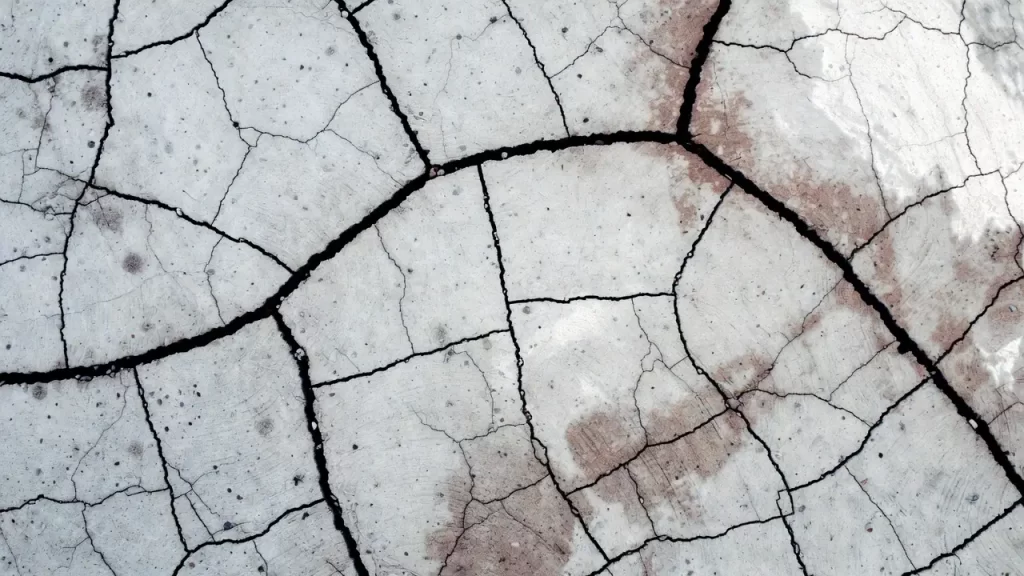
Concrete is one of the most durable building materials used around homes, but it isn’t indestructible. Over time, driveways, sidewalks, patios, and even foundation surfaces can develop cracks. These cracks may start small, but if they’re ignored, they often expand and allow water to seep in, which can make the problem worse.
One of the simplest and most effective solutions for many minor cracks is sealing them with caulk. If you’re wondering how to fix concrete cracks with caulk, the good news is that this repair is relatively straightforward when done correctly. The key is preparing the crack properly and choosing the right materials so the repair lasts.
This guide walks through the process step-by-step so you can fix small concrete cracks before they turn into larger structural issues.
Cracks in Your Concrete Getting Worse?
Small concrete cracks can often be sealed before they spread and cause larger structural problems. If you’re dealing with foundation cracks, driveway damage, or basement leaks, professional repair can stop the problem before it gets worse.
Call 313-367-0241 TodayWhy Concrete Cracks in the First Place
Before fixing cracks, it helps to understand why they form.
Concrete cracks for several reasons, including temperature changes, soil movement, and moisture infiltration. In colder climates like Michigan, freeze-thaw cycles can cause concrete to expand and contract repeatedly. Over time, that movement leads to cracking.
Common causes include:
- Ground settling beneath the concrete
- Freeze and thaw cycles
- Heavy loads on driveways or slabs
- Poor drainage around the slab
- Improper installation or curing
While some cracks are cosmetic, others can allow water infiltration that leads to erosion or structural damage.
Sealing cracks with caulk is an effective solution when the crack is relatively small and stable.
When Caulk Is the Right Repair Method
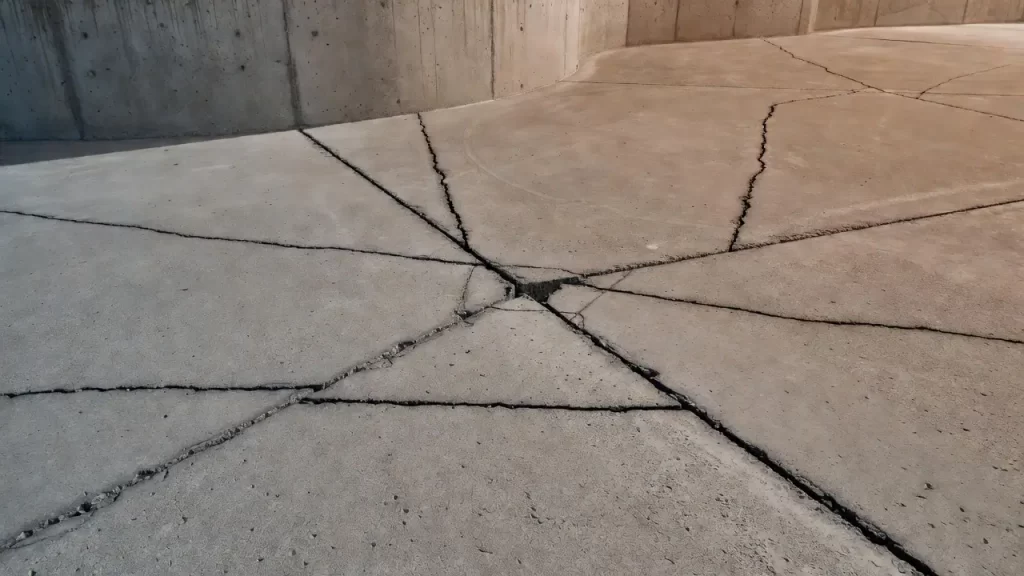
Not every concrete crack should be repaired with caulk. Some cracks indicate structural movement that requires more advanced repairs.
Caulk works best for:
- Small cracks in sidewalks
- Driveway cracks
- Patio cracks
- Garage floor cracks
- Expansion joint repairs
- Minor foundation cracks
Generally, cracks less than ½ inch wide are good candidates for caulking.
If the crack is widening rapidly, offset, or accompanied by structural shifting, a professional inspection is recommended.
Tools and Materials You’ll Need
Before starting the repair, gather the proper tools and supplies.
You’ll typically need:
- Concrete crack caulk or polyurethane sealant
- Caulking gun
- Wire brush
- Chisel or crack widening tool
- Shop vacuum or air compressor
- Utility knife
- Backer rod (for wider cracks)
- Gloves and safety glasses
Using a high-quality polyurethane or concrete crack sealant is important because these materials remain flexible and can expand and contract with the concrete.
Standard household caulk usually isn’t strong enough for outdoor concrete repairs.
Step 1: Clean the Crack Thoroughly
Proper preparation is the most important step in the repair process.
Start by removing any loose debris from the crack. Dirt, dust, and small pieces of concrete can prevent the caulk from bonding properly.
Use a wire brush or small chisel to loosen debris along the edges of the crack.
Once the crack is cleaned out, use a shop vacuum or compressed air to remove dust and particles.
The cleaner the crack is, the stronger the bond will be when the caulk is applied.
Step 2: Widen the Crack Slightly (If Needed)
Very narrow cracks can sometimes prevent the caulk from penetrating deeply.
Using a chisel or crack widening tool, you may need to slightly open the crack to create a small “V” shape.
This shape helps the sealant penetrate deeper and bond to the sides of the concrete.
Be careful not to widen the crack excessively. The goal is simply to create enough space for the caulk to adhere properly.
Step 3: Install Backer Rod for Larger Cracks
If the crack is wider than about ¼ inch, installing a backer rod is recommended.
A backer rod is a foam material that sits inside the crack and provides a base for the caulk.
This step serves two important purposes:
- It reduces the amount of caulk needed.
- It helps the sealant stretch properly as the concrete expands and contracts.
Press the backer rod into the crack so it sits slightly below the surface.
Step 4: Apply the Concrete Caulk
Now it’s time to apply the sealant.
Insert the caulk tube into the caulking gun and cut the tip at a slight angle. The opening should match the width of the crack.
Slowly squeeze the trigger while guiding the nozzle along the crack. Try to apply the caulk in one smooth, continuous motion.
Make sure the crack fills completely without leaving gaps.
Working slowly will help you achieve a cleaner finish.
Step 5: Smooth the Caulk
After applying the caulk, use a putty knife or gloved finger to smooth the surface.
This step helps press the sealant deeper into the crack and creates a more uniform appearance.
Smoothing the caulk also helps it adhere better to the edges of the concrete.
Wipe away any excess material before it begins to cure.
Step 6: Allow Proper Drying Time
Most concrete caulks require several hours to begin curing and up to 24 hours to fully set.
During this time, avoid walking or driving over the repaired area.
Moisture, heavy traffic, or temperature extremes can interfere with the curing process.
Always check the manufacturer’s instructions for specific drying times.
Common Mistakes to Avoid
Many DIY repairs fail because of a few common mistakes.
Here are some things to avoid when repairing concrete cracks with caulk.
Skipping Surface Preparation
If the crack isn’t cleaned properly, the caulk may peel away from the concrete.
Using the Wrong Type of Caulk
Standard household caulk isn’t designed for concrete and will often fail quickly.
Always use a concrete-specific or polyurethane sealant.
Overfilling the Crack
Too much sealant can create a messy appearance and may not cure evenly.
Smooth the caulk after applying it for the best result.
Ignoring Larger Structural Cracks
If a crack indicates structural movement, sealing it may only be a temporary fix.
Those cracks may require professional repair methods.
Preventing Future Concrete Cracks
While some cracking is inevitable, there are ways to reduce the chances of new cracks forming.
Improve Drainage
Water pooling around concrete slabs can weaken the base and lead to cracking.
Make sure gutters and downspouts direct water away from driveways and foundations.
Seal Concrete Surfaces
Applying a concrete sealer every few years can help protect the surface from moisture and freeze damage.
Control Heavy Loads
Avoid parking heavy vehicles on areas not designed for that weight.
Excessive pressure can stress the concrete and cause cracking.
Address Soil Movement
If the ground beneath a slab is shifting, it may need professional stabilization.
When to Call a Professional
DIY caulking repairs work well for minor cracks, but some situations require professional attention.
You should consider professional help if:
- Cracks are wider than ½ inch
- Concrete slabs are uneven
- Basement walls are bowing in Michigan
- Water is entering through foundation cracks
- Multiple cracks appear rapidly
These conditions may indicate structural problems that require more advanced repair solutions.
Final Thoughts
Learning how to fix concrete cracks with caulk is a valuable skill for homeowners. Small cracks in driveways, sidewalks, and patios can often be repaired quickly with the right tools and preparation.
The key is acting early before water infiltration and soil movement make the damage worse.
By cleaning the crack properly, using the correct sealant, and applying the caulk carefully, you can extend the life of your concrete surfaces and prevent larger repairs down the road.
For larger cracks or structural issues, professional foundation repair services may be the safest and most effective solution.
Need Help Repairing Concrete or Foundation Cracks?
If you’re dealing with large concrete cracks, foundation damage, or basement leaks, professional repair can prevent serious structural problems. An experienced contractor can inspect the issue and recommend the best long-term solution.
Call 313-367-0241 Today