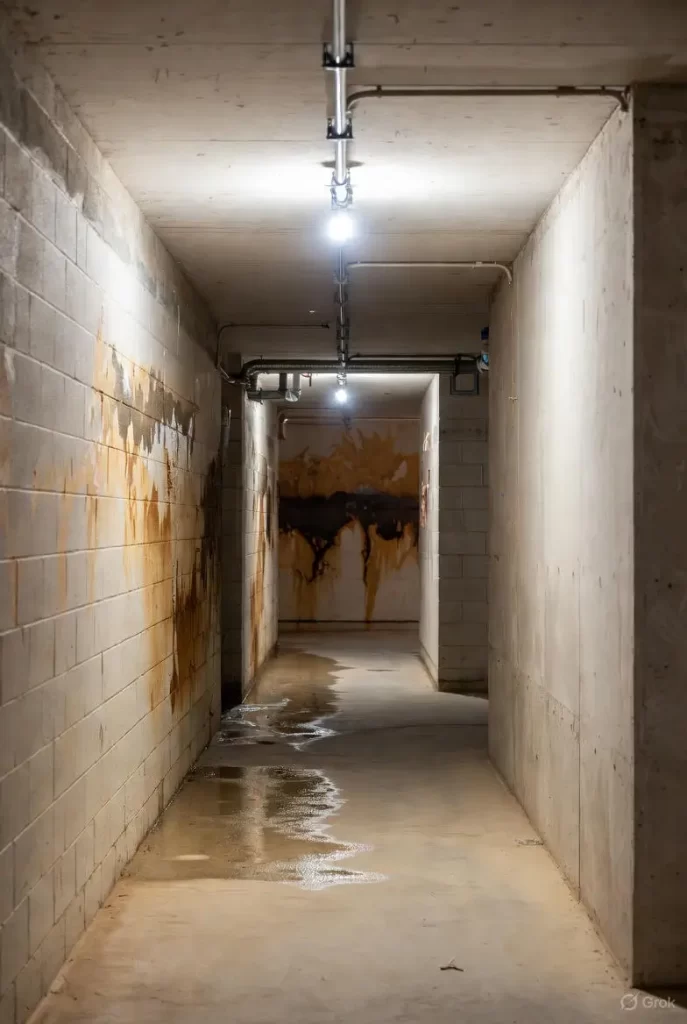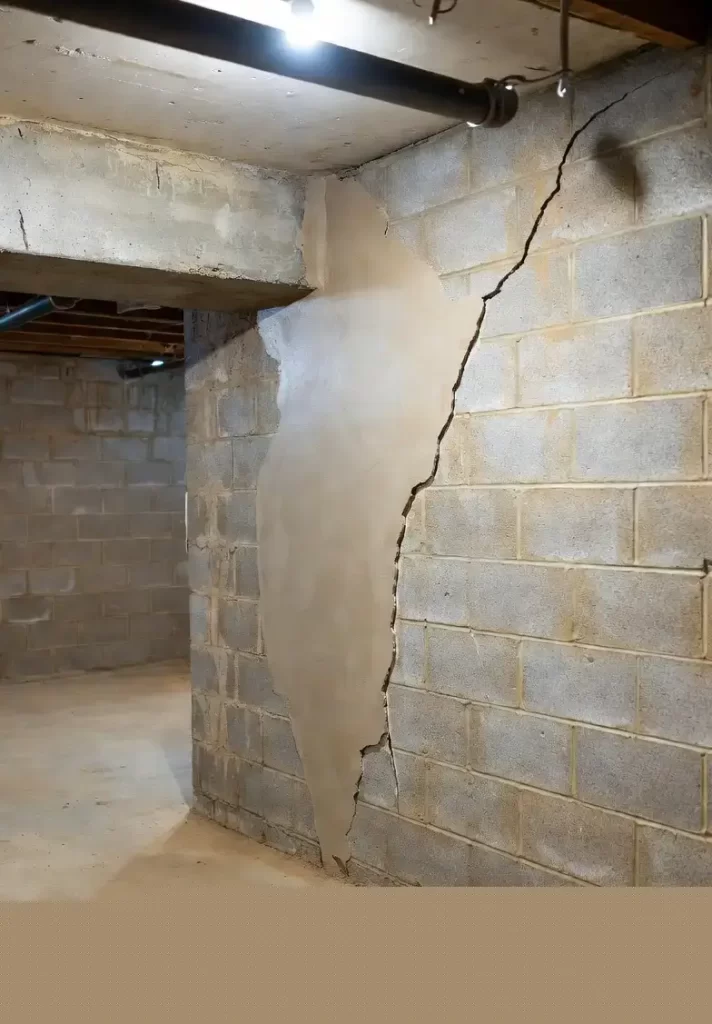
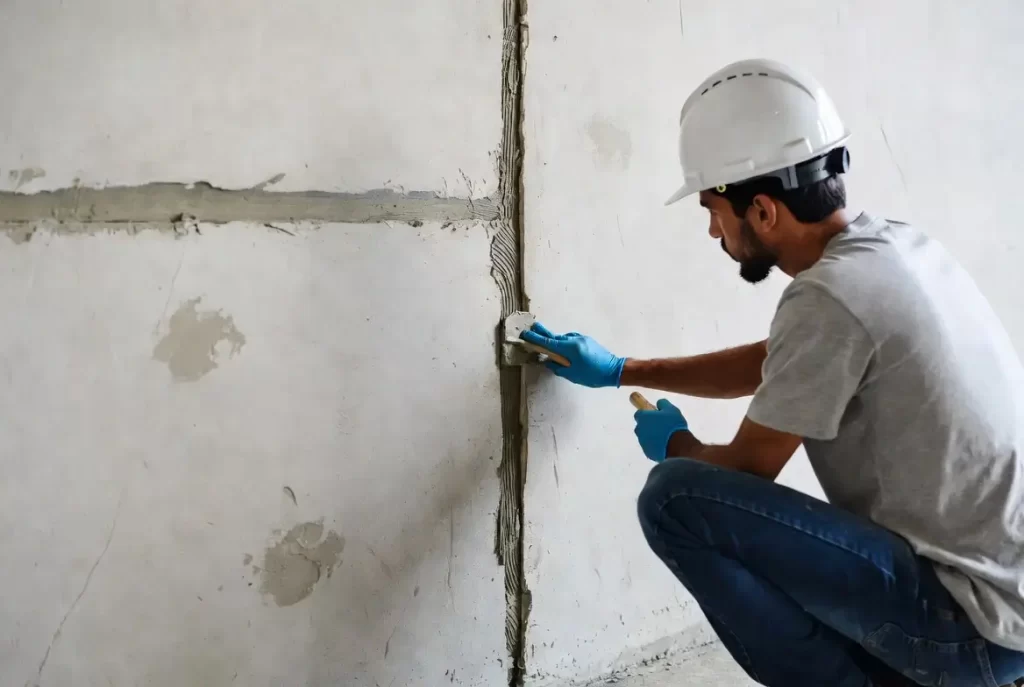
If you’ve noticed a crack in your basement wall in Michigan, it’s not something you should ignore. Many homeowners first discover cracks after heavy rain, spring snowmelt, or while cleaning their basement. What starts as a thin line in the wall can eventually allow water to seep into your home.
Basement cracks are extremely common across Michigan because of our soil conditions, freezing winters, and shifting ground. The good news is that many cracks can be repaired quickly when caught early.
This guide explains why basement wall cracks happen, how to identify serious foundation problems, and what you can do to fix a crack in a basement wall before it leads to water damage.
Noticed a Crack in Your Basement Wall?
Basement cracks can quickly turn into water leaks, mold issues, or foundation damage. If you see moisture, widening cracks, or water entering your basement, professional repair may be needed.
Call Now: 313-367-0241
Why Basement Walls Crack in Michigan Homes
Michigan homeowners deal with several environmental factors that cause foundation cracks.
Freeze and Thaw Cycles
Michigan winters create constant freeze-thaw cycles. When water in the soil freezes, it expands and pushes against foundation walls. As temperatures warm up, the soil contracts again.
This repeated movement can eventually cause cracks in concrete or block basement walls.
Expanding Clay Soil
Many areas in Michigan have clay-based soil. Clay absorbs water during heavy rain and expands dramatically. When the soil dries out, it shrinks again.
This expansion and contraction places pressure on basement walls and can cause cracks over time.
Hydrostatic Pressure
Hydrostatic pressure occurs when groundwater builds up around your foundation. As water accumulates in the soil, it pushes against the basement wall.
This pressure is strong enough to cause:
- Vertical cracks
- Horizontal cracks
- Bowing basement walls
- Water leaks
Hydrostatic pressure is one of the most common causes of basement water problems in Michigan homes.
Foundation Settling
Over time, homes naturally settle as the soil beneath them shifts.
Small settlement cracks are normal in many homes, but larger cracks may indicate foundation movement that requires repair.
Types of Basement Wall Cracks
Understanding the type of crack you’re dealing with helps determine how serious the problem is.
Vertical Cracks
Vertical cracks run straight up and down the wall.
These cracks are often caused by normal foundation settling and are typically easier to repair.
However, they can still allow water to seep into the basement.
Diagonal Cracks
Diagonal cracks usually start near the corners of windows or foundation edges.
These cracks often occur when one part of the foundation settles more than another.
Horizontal Cracks
Horizontal cracks are more serious and usually indicate significant pressure from soil pushing against the foundation wall.
These cracks may signal structural stress and should be inspected as soon as possible.
Stair-Step Cracks
Stair-step cracks appear in block foundations and follow the mortar joints.
They often develop when soil pressure causes the wall to shift.
Signs Your Basement Crack Is Letting Water In
Not every crack immediately leaks water, but many will eventually cause problems.
Watch for these warning signs:
- Damp spots on basement walls
- Water dripping from cracks
- White powder residue on walls (efflorescence)
- Musty smells in the basement
- Mold or mildew growth
- Puddles forming after heavy rain
If you see any of these signs, the crack should be repaired before it gets worse.
How to Fix a Crack in a Basement Wall
Repair methods depend on the size of the crack and whether water is entering the basement.
Here are some common solutions.
Epoxy Crack Injection
One of the most effective repairs for vertical cracks is epoxy injection.
Epoxy is injected directly into the crack, sealing the gap and restoring the structural integrity of the wall.
This method works well for:
- Vertical cracks
- Small foundation cracks
- Minor water leaks
Polyurethane Injection
Polyurethane injection is commonly used for cracks that leak water.
The material expands when injected, filling the crack completely and creating a waterproof seal.
This repair method is widely used for active basement leaks.
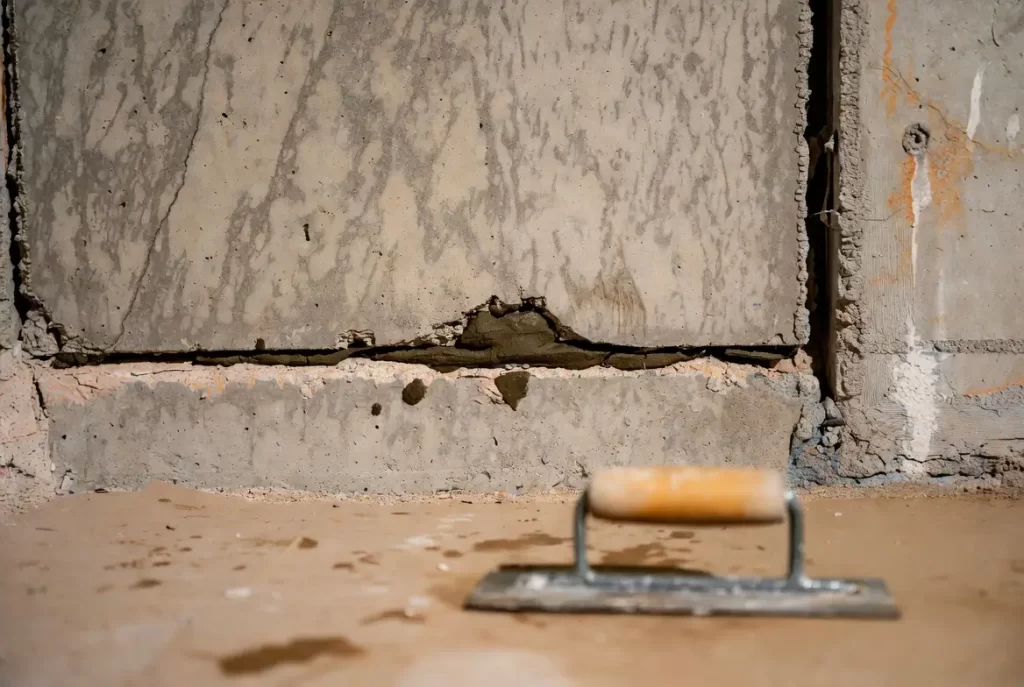
Hydraulic Cement Repair
Hydraulic cement expands as it cures, making it useful for sealing small cracks or holes.
However, it may not provide a long-term solution for larger cracks caused by structural pressure.
Exterior Foundation Waterproofing
If cracks are caused by heavy water pressure around the foundation, exterior waterproofing may be necessary.
This process involves:
- Excavating around the foundation
- Applying waterproof coatings
- Installing drainage systems
This type of repair helps stop water from reaching the foundation walls.
Preventing Basement Cracks and Water Leaks
While some foundation movement is unavoidable, there are several ways to reduce the risk of cracks forming.
Improve Drainage Around the Home
Make sure your yard slopes away from the foundation so rainwater flows away from your home.
Clean Gutters and Downspouts
Clogged gutters can cause water to spill over and collect near the foundation.
Ensure downspouts extend several feet away from the house.
Maintain Proper Soil Moisture
Extremely dry soil can shrink and cause foundation movement.
Maintaining consistent soil moisture levels can reduce foundation stress.
Install a Sump Pump System
Sump pumps remove groundwater that builds up beneath your basement floor.
This helps reduce hydrostatic pressure on basement walls.
When Basement Cracks Become Serious
Some cracks may indicate a larger foundation problem.
You should have your basement inspected if you notice:
- Cracks wider than 1/4 inch
- Horizontal cracks
- Bowing basement walls
- Multiple cracks appearing suddenly
- Water entering the basement regularly
These signs may indicate structural issues that require professional repair.
Need Basement Crack Repair in Michigan?
If you have a crack in your basement wall that is leaking water or getting worse, professional repair can stop the problem before it causes major damage.
Call Now: 313-367-0241
Don’t Ignore Basement Wall Cracks
Many homeowners assume a basement crack is harmless, but cracks often allow water to enter the home. Over time, that moisture can lead to mold growth, damaged drywall, and weakened foundation walls.
The sooner a crack is repaired, the easier it is to stop water intrusion and protect your basement.
If you notice a crack forming or widening in your basement wall, it’s best to investigate the issue quickly. Early repairs can prevent thousands of dollars in foundation damage and keep your basement dry year-round.
For homeowners in Michigan, addressing basement cracks early Michigan is one of the best ways to protect your home from water damage and long-term structural problems.