Need Basement Foundation Crack Repair in Lansing, MI?
Don’t wait until cracks turn into costly problems. Call our experts today for a free inspection and same-week service.
Call Now — Free QuotePhone: 313-367-0241
Basement foundation cracks are one of the most common issues homeowners in Lansing, MI face. While some cracks may appear minor at first, ignoring them can lead to water damage, structural problems, and costly repairs down the line. In this guide, we’ll break down the causes of foundation cracks, how to identify serious problems, and the best solutions for homeowners in Lansing.
Understanding Basement Foundation Cracks
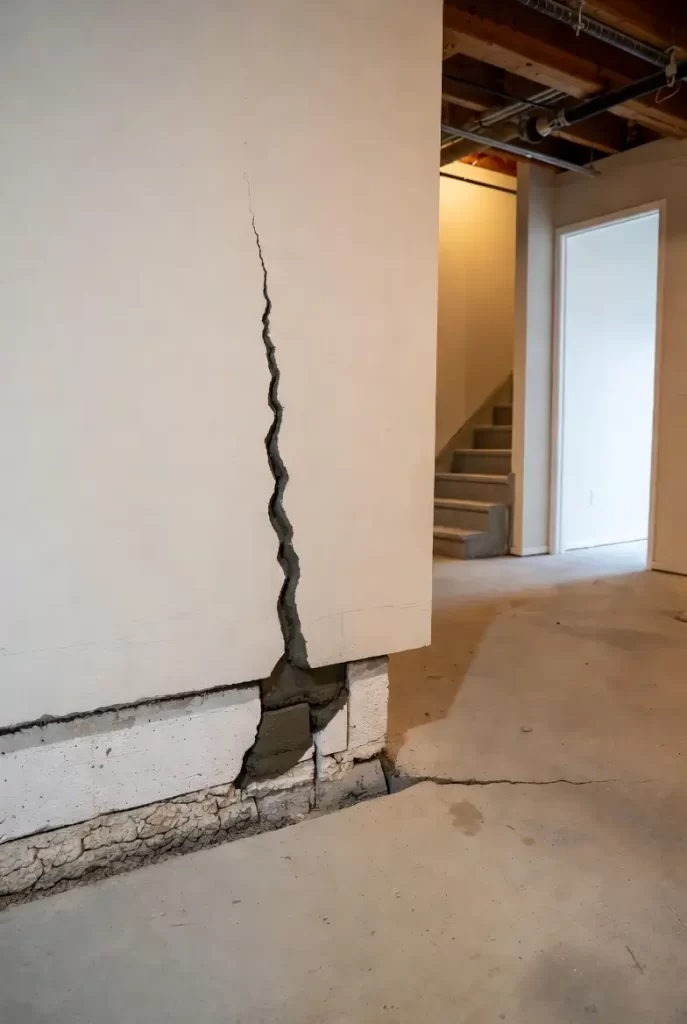
Basement foundation cracks are often the first visible sign of stress in your home’s structure. They can appear as hairline cracks, vertical fissures, or horizontal splits along the concrete walls. While some cracks are harmless, others can compromise your foundation’s integrity.
Common types of basement cracks include:
- Hairline cracks: Usually less than 1/8 inch wide. Often caused by shrinkage of the concrete as it cures.
- Vertical cracks: Can indicate minor settling, often repairable with epoxy or polyurethane injections.
- Horizontal cracks: Usually a serious warning sign of foundation pressure from soil outside the wall, requiring professional intervention.
- Stair-step cracks: Often found in block foundations and can indicate uneven settling.
Causes of Foundation Cracks in Lansing, MI
Several factors contribute to basement foundation cracks in Lansing homes:
- Soil Movement: Lansing has clay-heavy soil in many areas. Clay expands when wet and contracts when dry, putting pressure on basement walls.
- Poor Drainage: Gutters, downspouts, and improper grading can lead to water pooling near your foundation, increasing hydrostatic pressure.
- Freezing and Thawing: Michigan winters cause soil to freeze and thaw repeatedly, which can shift foundation walls.
- Settlement: Older homes may experience gradual settling over time, which can create stress points in your foundation.
- Hydrostatic Pressure: Water from rain or melting snow can push against basement walls, leading to cracks over time.
How to Identify Serious Foundation Issues
Not all basement cracks are a cause for alarm. However, some signs indicate a more serious problem:
- Water seeping through cracks during heavy rain.
- Cracks wider than 1/4 inch.
- Bowing or leaning walls.
- Sticking doors and windows near the basement.
- Floors that feel uneven or “springy.”
If you notice these warning signs, it’s important to address the issue quickly to prevent further damage.
DIY vs. Professional Repairs
Many homeowners wonder if they can repair foundation cracks themselves. While small hairline cracks can sometimes be sealed with caulk or epoxy, most foundation cracks require professional evaluation.
Why professional repair matters:
- Proper diagnosis ensures that you’re addressing the underlying cause, not just the visible crack.
- Licensed contractors have the right tools and materials to stabilize walls, prevent water infiltration, and avoid future cracking.
- DIY fixes can fail if soil pressure, water, or structural issues persist, leading to repeated repairs.
Step-by-Step Problem-Solving Approach for Lansing Homeowners
Here’s a practical, problem-solving approach to basement foundation crack repair:
1. Inspect Your Basement Carefully
Start by assessing the type and severity of the crack. Use a tape measure to check the width and length, and note any water leakage or bowing. Document cracks with photos for reference.
2. Determine the Source of the Problem
Before repairing the crack itself, it’s crucial to understand the cause. Common sources include:
- Poor exterior drainage.
- Excess soil pressure due to landscaping or poor grading.
- Plumbing leaks.
- Seasonal soil movement.
Fixing the source prevents cracks from reappearing.
3. Choose the Right Repair Method
Different cracks require different solutions:
- Epoxy Injections: Ideal for structural cracks where the wall is stable but water is not an issue.
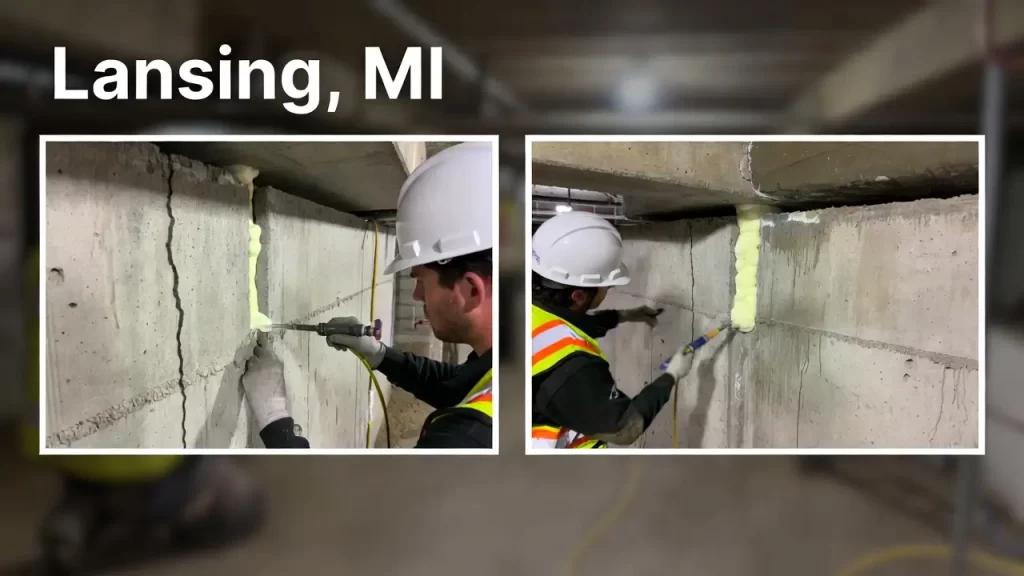
- Polyurethane Foam Injections: Excellent for sealing leaks where water infiltration occurs.
- Carbon Fiber Straps: Used for bowing walls to reinforce and prevent further movement.
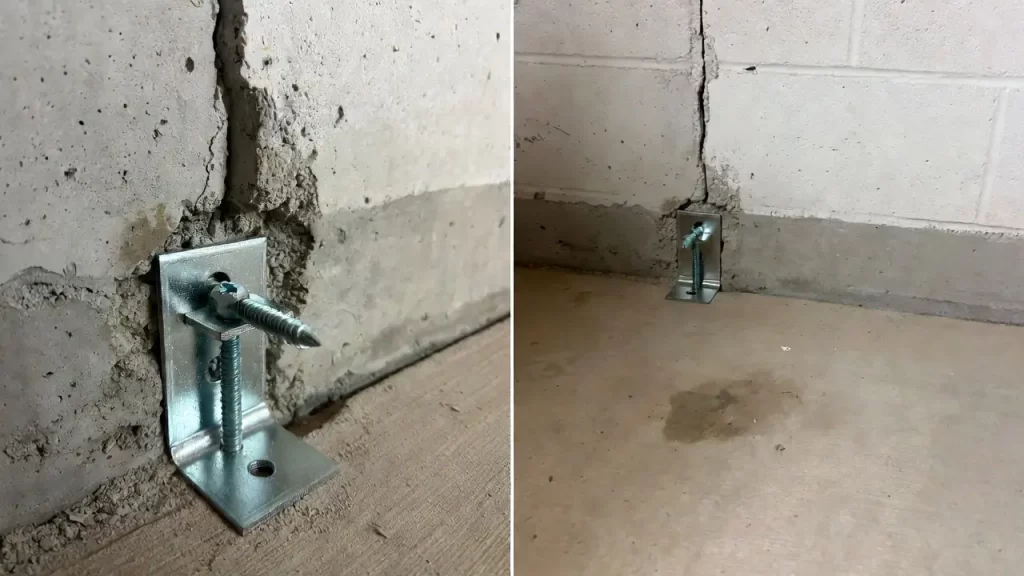
- Wall Anchors: Help stabilize severely leaning walls by anchoring them to the exterior soil.
4. Prepare the Crack for Repair
Proper preparation ensures a long-lasting fix:
- Clean the crack thoroughly, removing loose debris.
- Dry the area completely if possible.
- For water-seepage cracks, install a temporary water barrier or use a dehumidifier to reduce moisture during repair.
5. Apply the Repair Material
Follow manufacturer instructions or hire a professional:
- Epoxy and polyurethane require precise mixing and injection.
- Carbon fiber straps need wall surface preparation and proper anchoring.
- Wall anchors involve digging outside the foundation and installing steel supports.
6. Monitor Post-Repair
After repair, monitor the crack for at least a few months:
- Check for water seepage after rain or thaw cycles.
- Inspect for new cracks forming nearby.
- Adjust drainage solutions as necessary to reduce pressure on the walls.
Preventing Future Foundation Cracks
Repairing existing cracks is only part of the solution. Preventive measures help protect your Lansing home long-term:
- Improve Drainage: Extend downspouts, grade the yard away from the foundation, and install French drains if necessary.
- Control Moisture: Use sump pumps, dehumidifiers, and proper landscaping to minimize water near foundation walls.
- Monitor Soil Movement: Avoid heavy landscaping or construction that adds soil pressure near the foundation.
- Seasonal Inspections: Check basement walls at the beginning and end of winter for signs of new cracking or bowing.
When to Call a Lansing Foundation Expert
Foundation cracks can worsen quickly, especially in Michigan’s freeze-thaw environment. Call a professional if you notice:
- Horizontal or stair-step cracks.
- Bowing walls or noticeable leaning.
- Water infiltration during rains or snow melts.
- New cracks appearing within months of previous repairs.
Professional contractors in Lansing provide:
- Full inspections with detailed assessments.
- Waterproofing solutions tailored to your home.
- Crack repairs using epoxy, polyurethane, carbon fiber, or wall anchors.
- Preventive recommendations to stop future damage.
Costs of Basement Foundation Crack Repair in Lansing, MI
Repair costs vary depending on the severity of the problem and the method used:
- Minor hairline cracks: $250–$500 per crack.
- Epoxy injections for structural cracks: $600–$1,500.
- Polyurethane injections for leaks: $500–$1,200.
- Carbon fiber straps: $900–$2,500 for wall reinforcement.
- Wall anchors: $2,000–$5,000 for major stabilization.
Keep in mind that addressing the cause of cracks (drainage, soil pressure) can add to the cost but prevents repeated repairs.
Key Takeaways for Lansing Homeowners
- Not all basement cracks are dangerous, but ignoring them can lead to costly problems.
- Identify the type, size, and cause of the crack before attempting repairs.
- Small hairline cracks may be DIY-friendly, but structural or leaking cracks require professional repair.
- Repair methods include epoxy injections, polyurethane, carbon fiber straps, and wall anchors.
- Preventive measures like proper drainage and seasonal monitoring reduce the likelihood of future cracks.
FAQs About Basement Foundation Crack Repair in Lansing MI
Q: How fast do foundation cracks worsen?
A: It depends on the soil and moisture conditions. Michigan’s freeze-thaw cycles can accelerate wall stress quickly.
Q: Can I repair the cracks myself?
A: Minor hairline cracks can be sealed with DIY epoxy, but most structural cracks need professional attention.
Q: Will waterproofing fix foundation cracks?
A: Waterproofing stops water infiltration but doesn’t solve structural movement. Both may be necessary.
Q: How long does a professional repair last?
A: Properly repaired cracks can last decades, especially when underlying causes are addressed.
Q: Do homeowners insurance cover foundation cracks?
A: Generally, insurance doesn’t cover normal wear or soil movement, but damage from sudden events may be included.
Homes throughout Mid-Michigan experience foundation stress because of soil conditions, weather patterns, and seasonal moisture levels. That’s why basement foundation crack repair Lansing MI has become a common service for homeowners trying to prevent water damage and structural problems. Even a small crack in a basement wall can allow moisture to seep into the home, leading to mold growth, musty odors, and long-term deterioration of building materials.
Many Lansing homeowners first notice a problem after a heavy rainstorm or during the spring thaw when snow begins melting. Water pressure builds up in the soil around the foundation and forces moisture through any weak point in the concrete. When this happens, cracks that may have once seemed harmless suddenly start leaking water into the basement. Addressing these issues quickly with professional basement foundation crack repair Lansing MI services can prevent the damage from spreading.
The soil composition around Lansing plays a significant role in foundation issues. Much of the region contains clay-heavy soil that retains water for long periods of time. When the soil becomes saturated, it expands and pushes against the foundation walls. As the soil eventually dries, it contracts and pulls away from the concrete. This constant cycle of expansion and contraction puts pressure on basement walls and eventually causes cracks to form.
Temperature Changes Don’t Help
Temperature changes throughout the year also contribute to foundation damage. Michigan winters create repeated freeze-thaw cycles in the soil surrounding a home. Moisture in the ground freezes and expands during cold temperatures, then melts and contracts when temperatures rise again. Over time, this movement can cause small cracks to widen or new cracks to develop along basement walls.
While some foundation cracks may appear minor, they should never be ignored. Small hairline cracks can gradually grow larger as water pressure continues to push against the wall. Once moisture begins entering the basement, it can affect insulation, drywall, flooring, and stored belongings. Professional basement foundation crack repair Lansing MI services focus on sealing the crack completely so water cannot penetrate the foundation.
Repair Methods
Modern repair methods are designed to address both the crack itself and the underlying cause of the leak. Contractors may use specialized injection materials that penetrate deep into the crack and bond with the surrounding concrete. These materials expand slightly as they cure, creating a watertight seal that prevents moisture from entering the basement again.
In some situations, foundation cracks are a warning sign of larger drainage problems around the home. Improper grading, clogged gutters, or short downspouts can allow large amounts of water to collect near the foundation. When water pools around the base of the house, the pressure against basement walls increases dramatically. This is why many professionals inspect exterior drainage conditions while performing basement foundation crack repair Lansing MI services.
Finding Cracks Early
Homeowners who repair foundation cracks early often avoid more serious structural problems later. Water intrusion can weaken basement walls over time and cause additional cracking if left untreated. Fixing the issue quickly protects the structural integrity of the home and prevents costly repairs in the future.
Another benefit of professional crack repair is improved indoor air quality. Damp basements often lead to mold growth and mildew odors that can travel throughout the home. Sealing cracks and preventing moisture intrusion helps create a drier basement environment, which reduces the risk of mold and improves overall comfort.
Because every home is different, the best solution depends on the size of the crack, the type of foundation, and the conditions surrounding the property. Experienced contractors evaluate the entire basement and recommend a repair method that provides long-term protection. When done correctly, basement foundation crack repair Lansing MI can permanently stop water intrusion and restore the strength of the foundation.
The Important Steps Early
For homeowners in Lansing, addressing foundation cracks early is one of the most important steps in protecting their property. A properly sealed foundation keeps the basement dry, prevents mold growth, and ensures the home remains structurally sound for years to come.
Basement foundation cracks don’t have to be a nightmare. By identifying the problem early, addressing the cause, and using the right repair methods, Lansing homeowners can protect their homes from water damage, structural issues, and costly repairs. If you notice any serious cracks in your basement walls, it’s best to call a local foundation repair expert today and prevent the problem from getting worse.
Schedule Your Lansing Foundation Inspection Today
Prevent water damage and structural issues by having a professional assess your basement now. Our team is ready to help with fast, reliable repairs.
Call Today — Get a Free QuotePhone: 313-367-0241