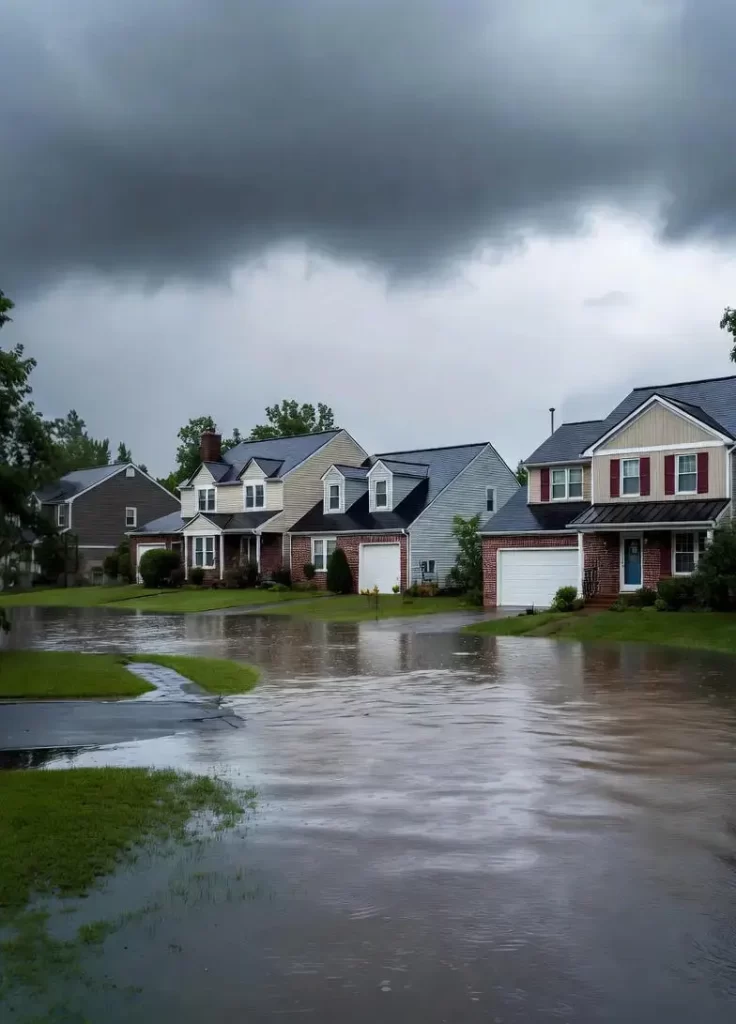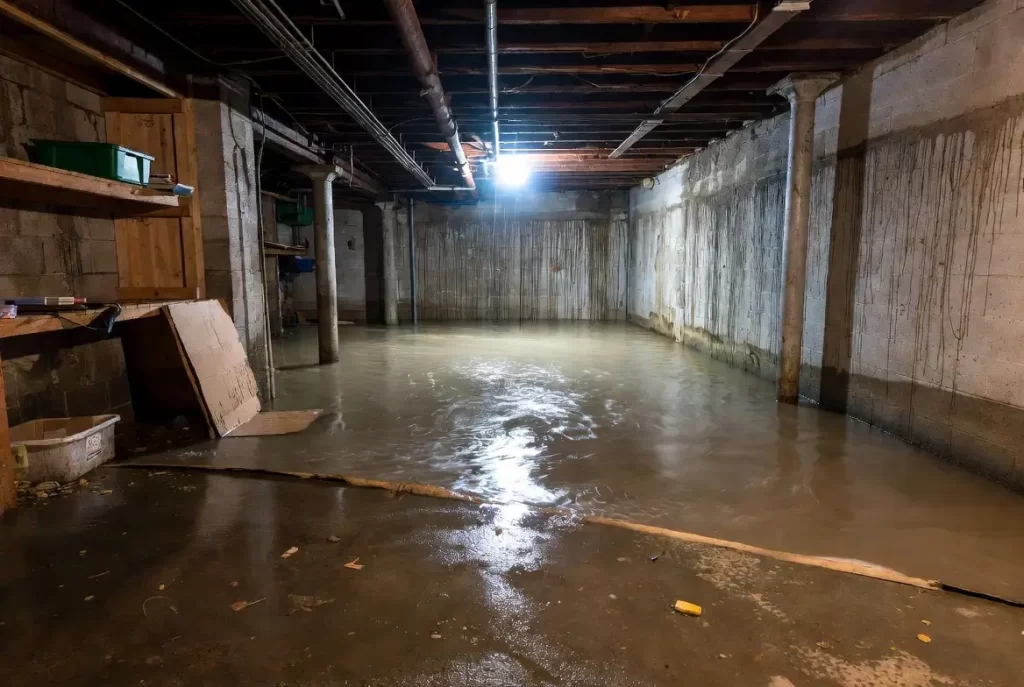
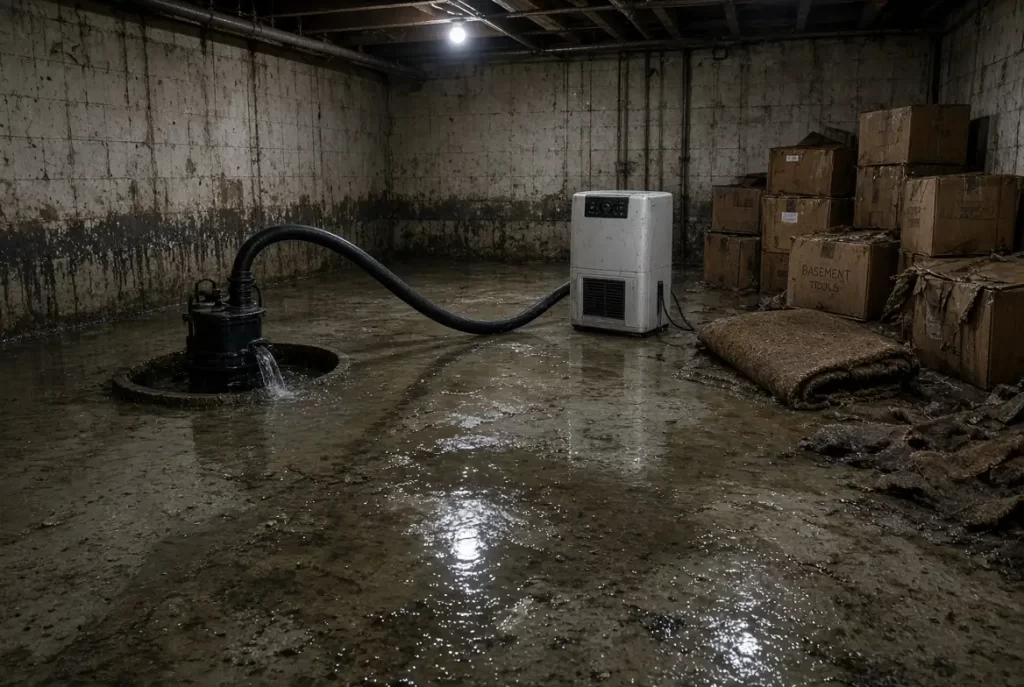
Worried Your Basement Is Ready to Flood?
Slow drainage, recurring moisture, condensation, water stains, or changes in your basement floor shouldn’t be ignored. If you’re seeing warning signs and want to know what could be causing them, call today to discuss your basement concerns.
Call 313-367-0241A basement rarely goes from perfectly dry to completely flooded without giving you some warning.
The problem is that many of those warnings are easy to overlook. A basement drain that seems a little slower than usual, condensation that keeps returning, or a floor that suddenly feels uneven may not look like an emergency. But these subtle changes can indicate that your basement is becoming more vulnerable to water intrusion.
So, how do you know if your basement is at risk of flooding?
Start with a simple basement flood checklist. By monitoring a handful of often-overlooked moisture indicators and drainage problems, homeowners can catch potential trouble before a heavy rainstorm or snowmelt turns a manageable issue into a flooded basement.
What Are the Biggest Signs That a Basement Could Flood?
The most important warning signs include:
- A basement floor drain or well drains slowly.
- Condensation repeatedly builds up on walls, pipes, or windows.
- Floors or floorboards begin shifting, swelling, or feeling uneven.
- Water stains or musty odors keep returning.
- Your sump pump, drainage system, or exterior grading isn’t keeping up with water.
Let’s look at each one.
1. Your Basement Well or Drainage Area Is Draining Slowly
One of the easiest warning signs to miss is sluggish drainage.
If your basement has a floor drain, drainage pit, window well, or other low-point drainage area, pay attention to how quickly water disappears after rain or when you test the system.
A basement that used to drain quickly but now holds water longer deserves attention.
Why does slow basement drainage matter?
Water needs somewhere to go.
If drainage is restricted by sediment, debris, roots, buildup, or a partially blocked pipe, water can accumulate around the foundation or basement floor faster than the system can remove it.
During an ordinary rainfall, you might not notice much.
During a major storm, however, that same restriction can become a serious problem.
What should homeowners check?
As part of your basement flood checklist, inspect:
- Floor drains for visible debris
- Window wells for leaves and dirt
- Drainage pits for sediment buildup
- Sump pump discharge lines
- Areas around basement drains for standing water
- Any drainage area that seems slower than normal
Don’t wait for a major storm to discover that your drainage system isn’t working properly.
2. Condensation Keeps Building Up
Condensation is another moisture indicator that homeowners frequently mistake for a minor seasonal annoyance.
A little condensation can be normal, especially during warm, humid weather.
The concern is persistent or excessive condensation.
Look at basement windows, cold water pipes, ductwork, concrete walls, and other cool surfaces. If they repeatedly become wet or develop droplets, your basement may have excessive humidity.
Does condensation mean my basement is leaking?
Not necessarily.
Condensation occurs when warm, humid air comes into contact with a cooler surface and moisture from the air turns into water droplets.
That means you could have a relatively dry foundation but still have a moisture problem inside the basement.
However, excessive humidity can create other problems, including:
- Musty odors
- Mold and mildew growth
- Damp building materials
- Wood deterioration
- Poor indoor air quality
- Increased moisture throughout the basement
A hygrometer can help you monitor basement humidity. If the space consistently feels damp, don’t simply cover up the symptoms with air fresheners.
What can you do about basement condensation?
Start with basic moisture control.
Make sure bathroom and kitchen exhaust fans are venting properly, use a dehumidifier when necessary, and inspect the basement for obvious sources of water.
If condensation continues despite reasonable humidity control, investigate further.
3. Floors or Floorboards Start Moving, Swelling, or Feeling Uneven
A change in the basement floor can be an easy symptom to dismiss.
Maybe a section of flooring feels slightly higher than it used to. Perhaps vinyl flooring has started separating, wood flooring is swelling, or a previously level surface now feels uneven.
Moisture can be responsible.
Water can affect flooring materials and the materials underneath them. Persistent moisture can cause wood to swell, loosen adhesives, damage subflooring, and create changes in the appearance or feel of the floor.
Why is my basement floor changing?
Several things can cause flooring changes, including:
- Moisture intrusion
- Groundwater
- Plumbing leaks
- High humidity
- Poor drainage
- Settlement
- Changes in the concrete slab
The important clue is when the change happens.
If the floor changes after heavy rain or snowmelt, water deserves particular attention.
If you notice a floor change together with dampness, staining, or a musty smell, don’t assume it’s simply an old flooring problem.
4. Musty Smells and Water Stains Keep Coming Back
Your nose can sometimes detect a basement moisture problem before your eyes do.
A basement that repeatedly develops a musty smell may have a moisture source that hasn’t been addressed.
Likewise, brown, yellow, white, or dark stains on walls and floors can indicate previous or ongoing moisture intrusion.
Why does my basement smell musty after it rains?
A musty odor can become more noticeable when humidity rises.
If the smell consistently gets worse after storms, inspect the basement carefully.
Look for:
- Damp foundation walls
- Water stains
- Efflorescence
- Damp carpeting
- Wet insulation
- Moisture around windows
- Water around floor drains
- Damp areas near plumbing
Don’t automatically assume the smell is coming from the foundation. Plumbing leaks, condensation, poor ventilation, and other moisture sources can produce similar symptoms.
The goal is to find the source of the moisture, not just eliminate the smell.
5. Your Sump Pump or Exterior Drainage System Is Struggling
A basement can have a perfectly good sump pump and still be vulnerable to flooding.
Why?
Because a sump pump is only one part of the overall water-management system.
If gutters dump water directly beside the foundation, the soil around your basement can become saturated. If the ground slopes toward the house instead of away from it, rainwater may collect against the foundation.
A struggling sump pump can also become a problem during a major storm.
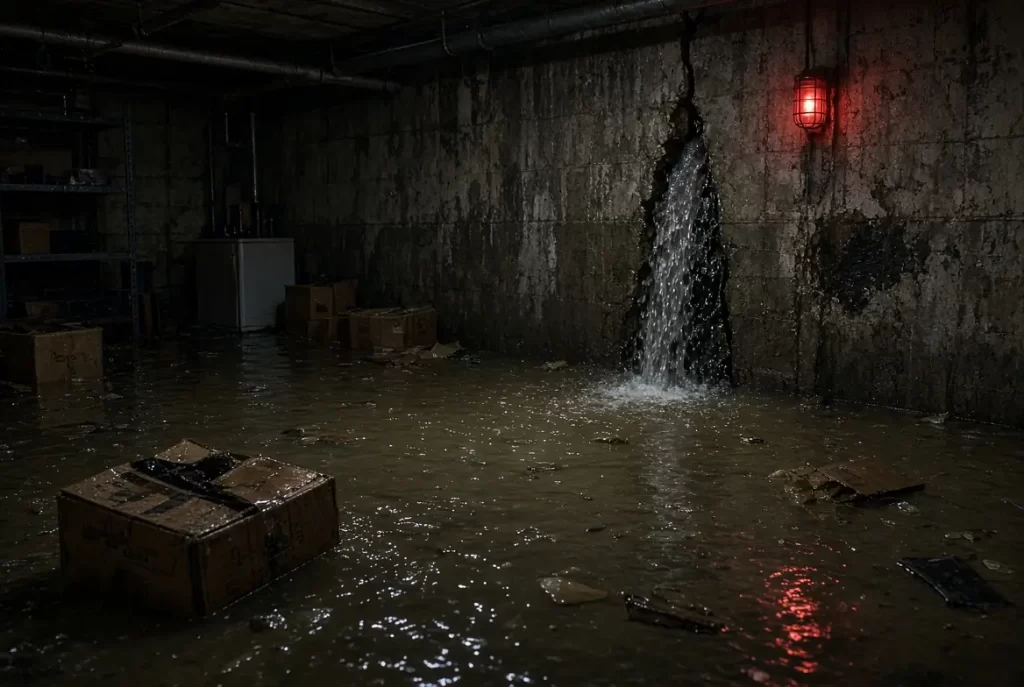
What should I check before heavy rain?
Walk around your house and inspect:
- Gutters
- Downspouts
- Downspout extensions
- Soil grading
- Window wells
- Foundation walls
- Sump pump discharge piping
- Areas where water tends to pool
Make sure downspouts discharge water away from the foundation rather than directly beside it.
Also test your sump pump periodically rather than assuming it will work when you need it most.
Basement Flood Prevention Starts Outside
Many homeowners focus entirely on what is happening inside the basement.
That’s a mistake.
A significant portion of basement flood prevention begins outside the house.
Water naturally looks for the easiest path downhill. If your yard directs water toward your foundation, the basement may be dealing with unnecessary moisture pressure.
Simple exterior maintenance can include:
- Cleaning gutters regularly
- Keeping downspouts clear
- Extending downspouts away from the foundation
- Maintaining positive grading away from the house
- Removing debris from window wells
- Watching for standing water after storms
- Checking foundation areas for new damp spots
These aren’t complicated projects, but they can make a meaningful difference in how much water reaches your foundation.
How Often Should You Check Your Basement for Moisture?
You don’t need to spend hours inspecting your basement every day.
A quick visual check once a week is a reasonable starting point, with more frequent inspections during periods of heavy rain, rapid snowmelt, or unusually high humidity.
Pay attention to changes rather than just taking a snapshot of the basement.
Ask yourself:
Does this drain more slowly than it used to?
Is that wall wetter than it was last week?
Has the musty smell returned?
Is there new condensation?
Does the floor look or feel different?
Those small changes can be more useful than a single inspection because they establish a pattern.
What Should Be on a Basement Flood Checklist?
A practical basement flood checklist should include both interior and exterior items.
Interior
- Check floor drains for slow drainage.
- Inspect basement windows for condensation.
- Look for water stains.
- Check foundation walls for damp areas.
- Watch for musty odors.
- Look for changes in flooring.
- Check around plumbing fixtures and appliances.
- Test the sump pump periodically.
Exterior
- Clean gutters.
- Make sure downspouts are clear.
- Confirm downspouts discharge away from the foundation.
- Look for standing water after rain.
- Check window wells.
- Inspect soil grading around the house.
- Watch for new cracks or damp areas around the foundation.
What Is the Most Important Basement Flood Warning Sign?
There isn’t one single warning sign that applies to every house.
The biggest concern is often a change from your basement’s normal condition.
If a basement that has always been dry suddenly develops condensation, drainage problems, musty odors, water stains, or flooring changes, investigate the change.
The same is true outside. If water suddenly starts pooling beside your foundation after storms, something has changed.
Your basement doesn’t have to be visibly flooded for a problem to be developing.
Don’t Let Water Reach The Floor
A flood-ready basement often gives homeowners subtle warnings before the water reaches the floor.
Slow drainage, recurring condensation, shifting flooring, musty odors, water stains, and struggling drainage equipment are all worth paying attention to.
The best basement flood prevention strategy isn’t waiting for the next major storm. It’s identifying small moisture indicators early, maintaining your drainage system, and addressing problems before your basement is forced to handle more water than it can manage.
If you notice several of these warning signs at the same time—or a problem is getting progressively worse—it’s time to find out what’s causing it.