Does Your Basement Smell Musty?
A musty odor could be a sign of hidden moisture, mold, foundation leaks, or poor ventilation. Don’t ignore the warning signs. Our basement specialists can identify the source and recommend the right solution to help keep your home dry and healthy.
📞 Call 313-367-0241 TodaySchedule your basement inspection and get expert help with moisture, waterproofing, foundation, and crawl space concerns.
If you’ve walked downstairs and noticed a damp, earthy odor, you’re probably asking yourself, “Why does my basement smell musty?” The good news is that you’re not alone. A musty basement is one of the most common complaints among homeowners, especially in areas with humid summers, older homes, or frequent rainfall.
That unpleasant smell isn’t just an annoyance—it can be an early warning sign that excess moisture is present. Left untreated, moisture can lead to mold growth, damaged building materials, poor indoor air quality, and expensive repairs.
In this guide, we’ll answer the questions homeowners actually ask about musty basements, explain the most common causes, and discuss practical ways to eliminate the odor for good.
Why Does My Basement Smell Musty?
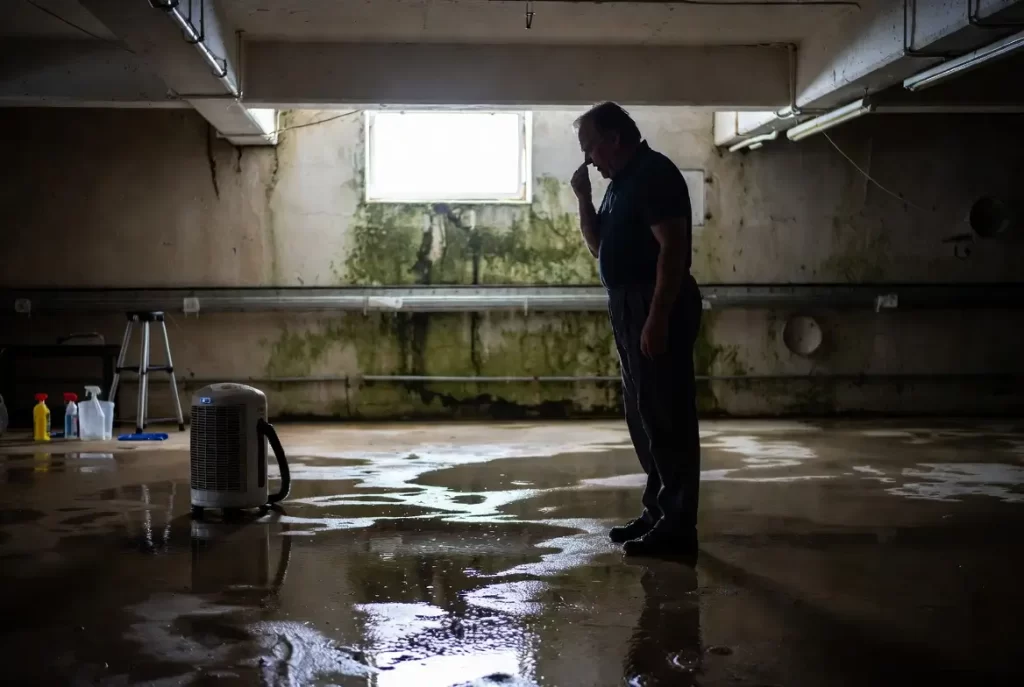
A musty smell usually develops when moisture becomes trapped in your basement. Warm, humid air mixes with cooler basement surfaces, creating condensation that soaks into wood, drywall, carpet, insulation, and stored belongings.
When moisture sticks around, mildew, mold spores, and bacteria begin breaking down organic materials, producing the familiar earthy smell many homeowners notice.
Even if you don’t see standing water, excess humidity alone can create the conditions needed for odors to develop.
Is a Musty Basement Always Caused by Mold?
No.
While mold is a common cause, it’s not the only reason a basement develops an unpleasant smell.
Other possibilities include:
- High humidity
- Damp concrete walls
- Water seeping through foundation cracks
- Wet insulation
- Poor ventilation
- Leaking plumbing
- Dirty floor drains
- Damp cardboard boxes or furniture
Many homeowners assume mold is present simply because of the odor, but sometimes the smell is coming from moisture trapped inside porous materials.
That said, persistent musty odors should always be investigated because mold often grows in hidden locations before becoming visible.
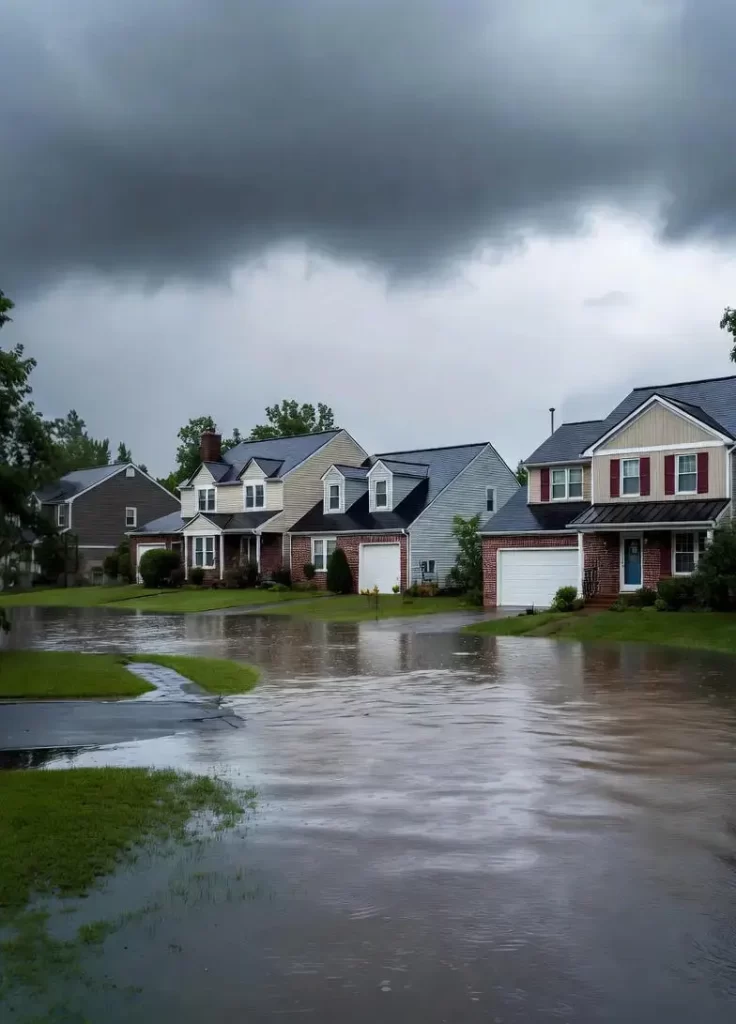
Why Does My Basement Smell Worse After It Rains?
This is one of the biggest clues that moisture is entering your home.
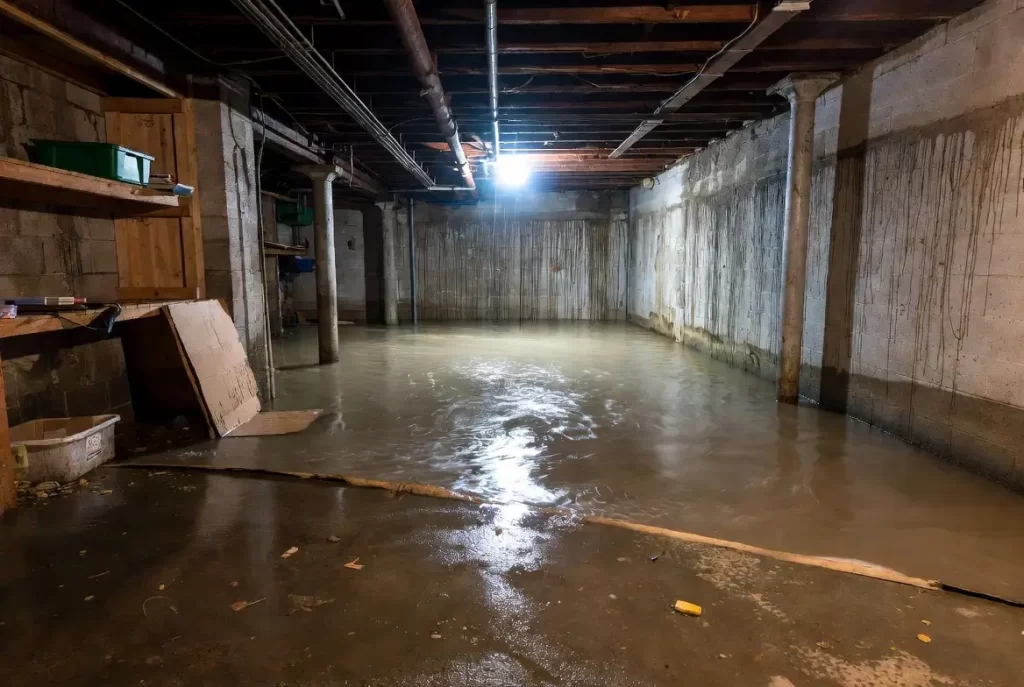
Heavy rain increases the amount of groundwater around your foundation. If your home has poor drainage, cracked foundation walls, or clogged gutters, water can slowly seep into the basement.
Even tiny amounts of moisture absorbed into concrete can produce odors.
If your basement smells noticeably stronger after storms, inspect for:
- Damp walls
- Wet carpet
- Water stains
- Foundation cracks
- Window leaks
- Standing water near the foundation
Rain-related odors often indicate an exterior drainage problem rather than an indoor humidity issue alone.
Can High Humidity Cause a Musty Basement?
Absolutely.
Humidity is one of the leading causes of basement odors.
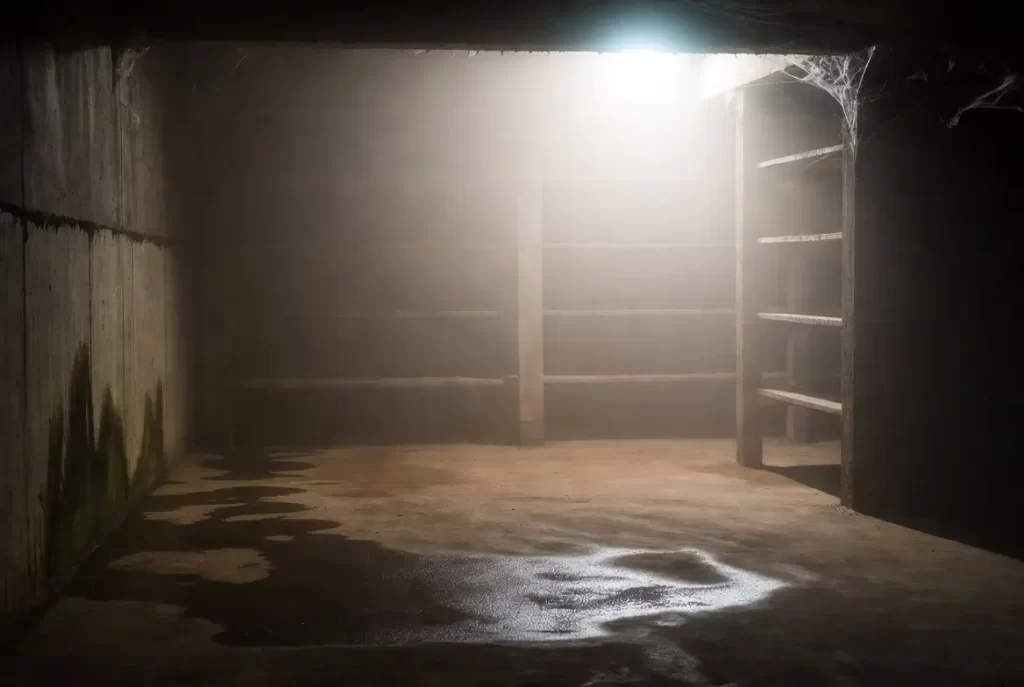
Basements naturally stay cooler than the rest of the home. During summer, warm humid air enters the basement and cools rapidly. As the temperature drops, moisture condenses onto walls, floors, pipes, and stored items.
That moisture has nowhere to go.
Over time it soaks into materials and creates the stale smell homeowners notice.
Ideally, basement humidity should remain between 30% and 50%.
If your basement regularly exceeds 60% humidity, mold and mildew become much more likely.
Why Does My Basement Smell Musty Even Though It’s Finished?
Many homeowners believe finishing a basement prevents moisture problems.
Unfortunately, the opposite can happen.
Finished basements often hide moisture behind:
- Drywall
- Flooring
- Insulation
- Baseboards
- Trim
- Paneling
Because these materials cover foundation walls, water problems may go unnoticed for months or years.
A finished basement that smells musty deserves careful inspection because the source may be hidden behind finished surfaces.
Can Old Carpet Cause Basement Odors?
Yes.
Carpet acts like a sponge.
If your basement carpet has experienced:
- Minor flooding
- High humidity
- Water leaks
- Condensation
it may hold moisture long after the surface appears dry.
The padding underneath often stays damp even when the carpet feels normal.
This trapped moisture becomes the perfect environment for mildew growth.
If the smell seems strongest near the floor, carpeting may be contributing to the problem.
Could My Basement Windows Be Letting Water In?
Absolutely.
Basement windows frequently allow moisture inside through:
- Worn seals
- Cracked caulking
- Damaged window wells
- Improper grading
Water entering around basement windows often soaks insulation or framing before becoming visible.
Homeowners may only notice the odor long before seeing water damage.
Inspect around every basement window after heavy rain.
Can Plumbing Leaks Cause Musty Smells?
Yes.
Even a slow drip can create enough moisture for mold growth.
Common plumbing sources include:
- Water heaters
- Utility sinks
- Washing machine hoses
- Supply lines
- Drain pipes
- Water softeners
Small leaks often go unnoticed because they evaporate before forming puddles.
Over months, however, surrounding wood and drywall absorb enough moisture to develop musty odors.
Why Does My Basement Smell Like Wet Dirt?
Concrete isn’t waterproof.
Moisture from surrounding soil naturally moves through concrete walls and floors.
If groundwater pressure is high, moisture can migrate into the basement and produce an earthy smell.
This often happens in homes with:
- Older foundations
- Poor drainage
- High water tables
- Inadequate waterproofing
The smell may become stronger during spring snowmelt or rainy seasons.
Can Floor Drains Cause Basement Odors?
Yes.
Sometimes the smell isn’t mold at all.
Unused floor drains contain a water trap that blocks sewer gases from entering the home.
If the drain hasn’t been used for weeks or months, the water inside evaporates.
Without that water barrier, unpleasant sewer gases can enter the basement.
Pouring a bucket of water into unused floor drains occasionally helps keep the trap full.
If odors continue, the drain may require inspection.
Is It Dangerous to Ignore a Musty Basement?
Ignoring the smell can lead to bigger issues over time.
Potential problems include:
- Mold growth
- Wood rot
- Damaged drywall
- Poor indoor air quality
- Allergies
- Increased humidity throughout the home
- Reduced home value
Even if the smell seems minor today, moisture problems rarely improve without identifying the source.
How Do I Find Where the Smell Is Coming From?
Start with a careful inspection.
Look for:
Around the Foundation
Check for:
- Cracks
- White mineral deposits
- Water stains
- Damp spots
Along Basement Walls
Inspect:
- Baseboards
- Finished walls
- Insulation
- Corners
Around Plumbing
Look underneath:
- Water heater
- Utility sink
- Washing machine
- Pipes
Around Windows
Inspect for:
- Condensation
- Wet framing
- Mold
- Loose caulk
Storage Areas
Move boxes away from walls.
Cardboard absorbs moisture easily and often develops mildew odors.
How Do I Get Rid of a Musty Basement Smell?
Removing the odor starts with eliminating the moisture source.
Reduce Humidity
A quality dehumidifier can significantly reduce moisture in many basements.
Keep humidity below 50%.
Improve Airflow
Increase ventilation with:
- Fans
- Open windows when weather permits
- HVAC air circulation
Fresh air helps dry damp surfaces.
Remove Wet Materials
Items that remain damp often continue producing odors.
These may include:
- Cardboard
- Carpet padding
- Upholstered furniture
- Old rugs
Fix Water Intrusion
Address issues like:
- Foundation cracks
- Leaking windows
- Clogged gutters
- Poor grading
- Plumbing leaks
Stopping water from entering the basement is the long-term solution.
Clean Mold Properly
Small areas of mildew may be cleaned safely.
Larger mold problems should be professionally evaluated to determine the full extent of moisture damage.
How Can I Prevent My Basement From Smelling Musty Again?
Prevention is easier than repair.
Homeowners can reduce future moisture problems by:
- Keeping gutters clean
- Extending downspouts away from the foundation
- Maintaining proper grading
- Running a dehumidifier during humid months
- Checking plumbing regularly
- Storing belongings in plastic containers instead of cardboard
- Inspecting basement walls after heavy rain
Routine maintenance can prevent small moisture issues from becoming expensive repairs.
When Should I Call a Basement Waterproofing Professional?
Some situations require more than a dehumidifier.
Consider professional help if:
- The smell keeps returning.
- You notice mold growth.
- Water enters after rain.
- Basement walls feel damp.
- Flooring remains wet.
- Cracks are getting larger.
- Humidity stays high despite using a dehumidifier.
- The odor spreads into the upper levels of your home.
A professional inspection can determine whether foundation waterproofing, drainage improvements, crawl space repairs, or moisture control systems are needed.
Frequently Asked Questions
Can a basement smell musty without visible mold?
Yes. Moisture trapped inside drywall, insulation, concrete, or carpeting can produce odors before mold becomes visible.
Will a dehumidifier permanently solve the problem?
Only if excess humidity is the primary cause. If water is entering through the foundation or plumbing, the underlying issue must also be repaired.
Why does my basement only smell during summer?
Warm, humid outdoor air condenses inside cool basements during summer, increasing moisture levels and creating ideal conditions for mildew.
Is it normal for older basements to smell musty?
Older homes are generally more susceptible because waterproofing methods, drainage systems, and foundation materials may not perform as well as modern construction.
Should I paint over musty basement walls?
No. Paint may temporarily hide stains, but it won’t eliminate moisture or stop odors. The source of the dampness should be addressed first.
Taking Care Of Your Basement
A musty basement smell is more than just an unpleasant odor—it’s often your home’s way of telling you there’s a moisture problem that needs attention. Whether the cause is high humidity, poor ventilation, foundation seepage, plumbing leaks, or hidden mold, finding the source early can help you avoid more costly repairs down the road.
Instead of masking the smell with air fresheners, focus on identifying where the moisture is coming from. A dry basement is healthier, more comfortable, and better protected against mold, structural damage, and indoor air quality issues.